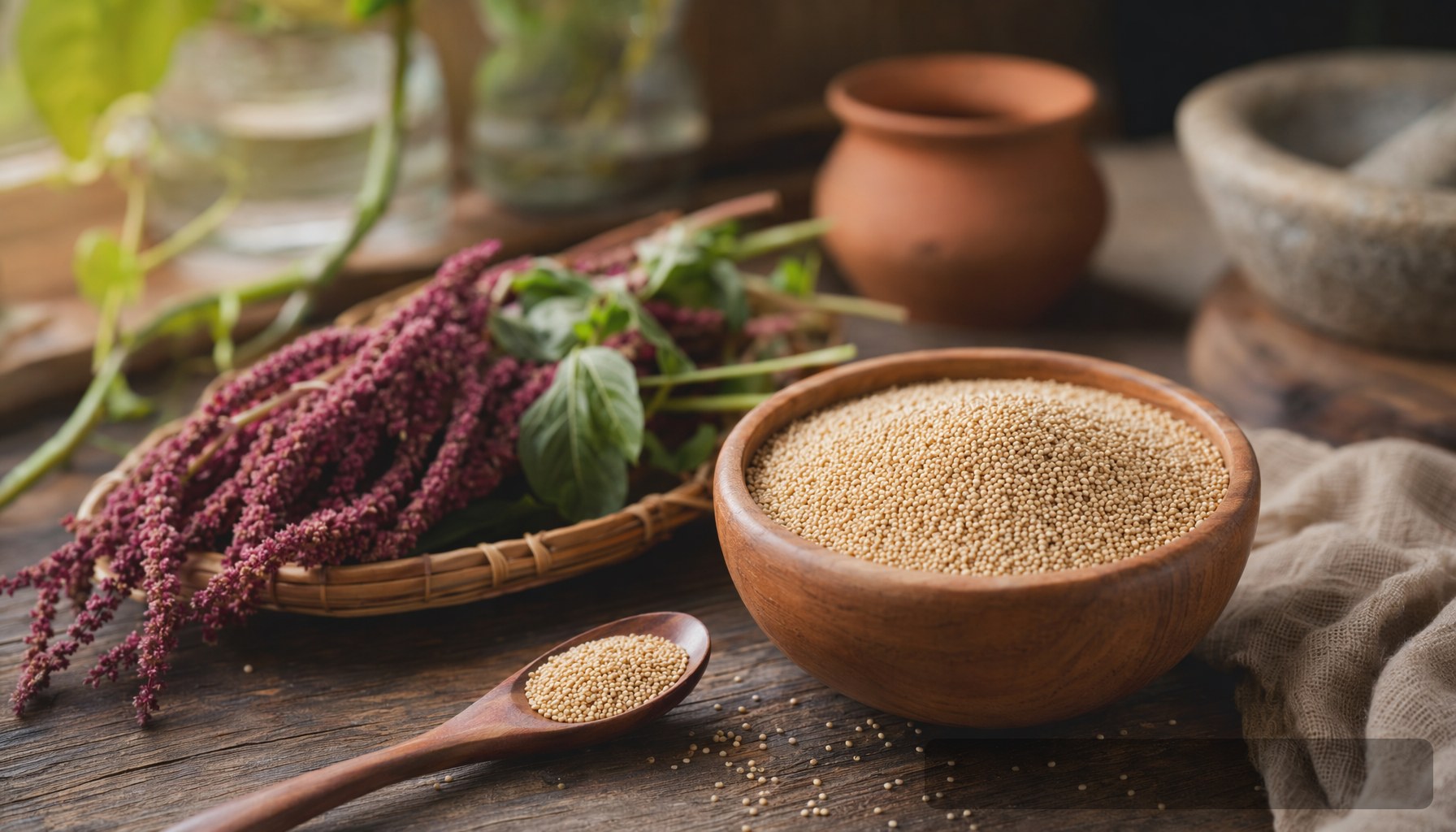
Amaranth provides complete protein, is naturally gluten-free, and supports gut, heart, and blood sugar health. Experts say 30 to 45 grams daily works well as part of a varied Indian diet.
Amaranth is a pseudocereal, not a true grain, meaning it is the seed of a broadleaf plant rather than a grass, and it contains no gluten by nature. One cooked cup delivers approximately 9 grams of protein and 5 grams of dietary fibre, according to gastroenterologist Dr Shubham Vatsya, who called it India's next superfood in a July 2026 Instagram post. His endorsement is notable because it comes from a gut specialist rather than a nutritionist or food brand, and it shifts the conversation about amaranth away from its traditional role as a Navratri fasting food toward year-round, everyday nutrition.
Dr Vatsya's post reached a wide audience at a moment when urban Indian consumers are actively looking for wheat alternatives that do not compromise on protein. Amaranth, sold in India as rajgira, has been cultivated in the subcontinent for centuries but has never broken out of its seasonal fasting niche. The July 2026 commentary changes that framing, at least in the medical community.
What makes amaranth nutritionally different
Most cereal grains are low in lysine, an amino acid the body cannot synthesise on its own. Amaranth contains lysine in meaningful quantities, which is why nutritionists describe its protein as "complete." Dr Vatsya notes that lysine supports collagen formation, calcium absorption, tissue repair, and muscle recovery, making amaranth particularly relevant for vegetarians who rely on grains as a primary protein source.
Consultant dietician and diabetes educator Kanikka Malhotra puts the comparison plainly: amaranth contains roughly twice the protein of wheat and rice, along with higher calcium, iron, and magnesium content. Its fibre is both soluble and insoluble. The soluble fraction slows gastric emptying, which blunts post-meal glucose spikes. The insoluble fraction adds bulk and feeds beneficial gut bacteria. For someone managing insulin resistance or type 2 diabetes, this matters most when amaranth replaces refined grains rather than sitting alongside them.
The mineral profile is also worth noting. Amaranth contains calcium, magnesium, iron, phosphorus, and manganese. For postmenopausal women managing sarcopenia risk, or adolescents with high calcium and iron demands, this combination is genuinely useful. Phytosterols in the grain may also help lower LDL cholesterol, though the evidence here is more modest and works best alongside reduced sodium intake overall.
FSSAI classifies amaranth under Schedule I of the Food Safety and Standards (Food Products Standards and Food Additives) Regulations, 2011, which covers permitted food grains and cereals. There is no special regulatory barrier to its sale or labelling as gluten-free in India, provided the product meets the FSSAI gluten-free standard of less than 20 parts per million of gluten, which amaranth naturally satisfies when processed without cross-contamination.
Why the 'superfood' label still needs scrutiny
Malhotra is direct about the limits of the endorsement. "Superfood" is a marketing construct, not a clinical category. No single food reverses disease or replaces dietary diversity. The evidence for amaranth's nutrient density and glycaemic behaviour is strong, but it works best as one of several whole grains rotated through the week.
That caveat matters for clean-label shoppers in India, where brands routinely use terms like "superfood," "ancient grain," and "power grain" on packaging without any regulatory definition backing those claims. FSSAI's draft front-of-pack labelling regulations, which have been in consultation since 2022, do not define "superfood" as a permitted nutrition claim. Buyers should read the ingredient list and nutrition facts panel rather than relying on front-of-pack language.
There are also specific contraindications. Amaranth contains oxalates, which can aggravate calcium oxalate kidney stone formation. Anyone with chronic kidney disease, or on a restricted phosphorus or potassium diet, should check with their treating physician before making amaranth a regular part of their diet. Sudden large quantities can also cause bloating because of the fibre load, so gradual introduction is more practical than jumping straight to daily consumption.
What buyers and cooks should do
Malhotra's recommended range is 30 to 45 grams of dry amaranth daily, or a cup of cooked amaranth three to four times a week. That is a realistic, non-disruptive amount for most adults.
For practical use, the grain does not require a separate cooking routine. Puffed amaranth (rajgira) can replace poha or upma as a breakfast base. Amaranth flour can substitute wheat flour at a 20 to 30 percent ratio in rotis without changing the texture noticeably. Whole amaranth cooks like a pulao or adds protein and bulk to khichdi. Dr Vatsya also suggests chillas and porridge as straightforward entry points.
When buying amaranth flour or puffed rajgira, check that the product is processed in a dedicated gluten-free facility if you are managing coeliac disease or non-coeliac gluten sensitivity. Cross-contamination during milling is the main risk, not the grain itself. Brands that carry a certified gluten-free mark from a third-party body (rather than just a self-declared claim) are the safer choice.
For those buying whole grain amaranth, the product should list a single ingredient: amaranth. No added maltodextrin (a partially hydrolyzed starch used as a filler or anti-caking agent), no added sugar, no "natural flavour" catch-all. The grain is shelf-stable for up to a year in an airtight container away from moisture.
Amaranth is not a fix for a poor diet, and no gastroenterologist's Instagram post changes that. What the July 2026 commentary does is give Indian consumers a medically grounded reason to move rajgira out of the Navratri cupboard and into the weekly rotation, which is where the nutritional evidence has always pointed.