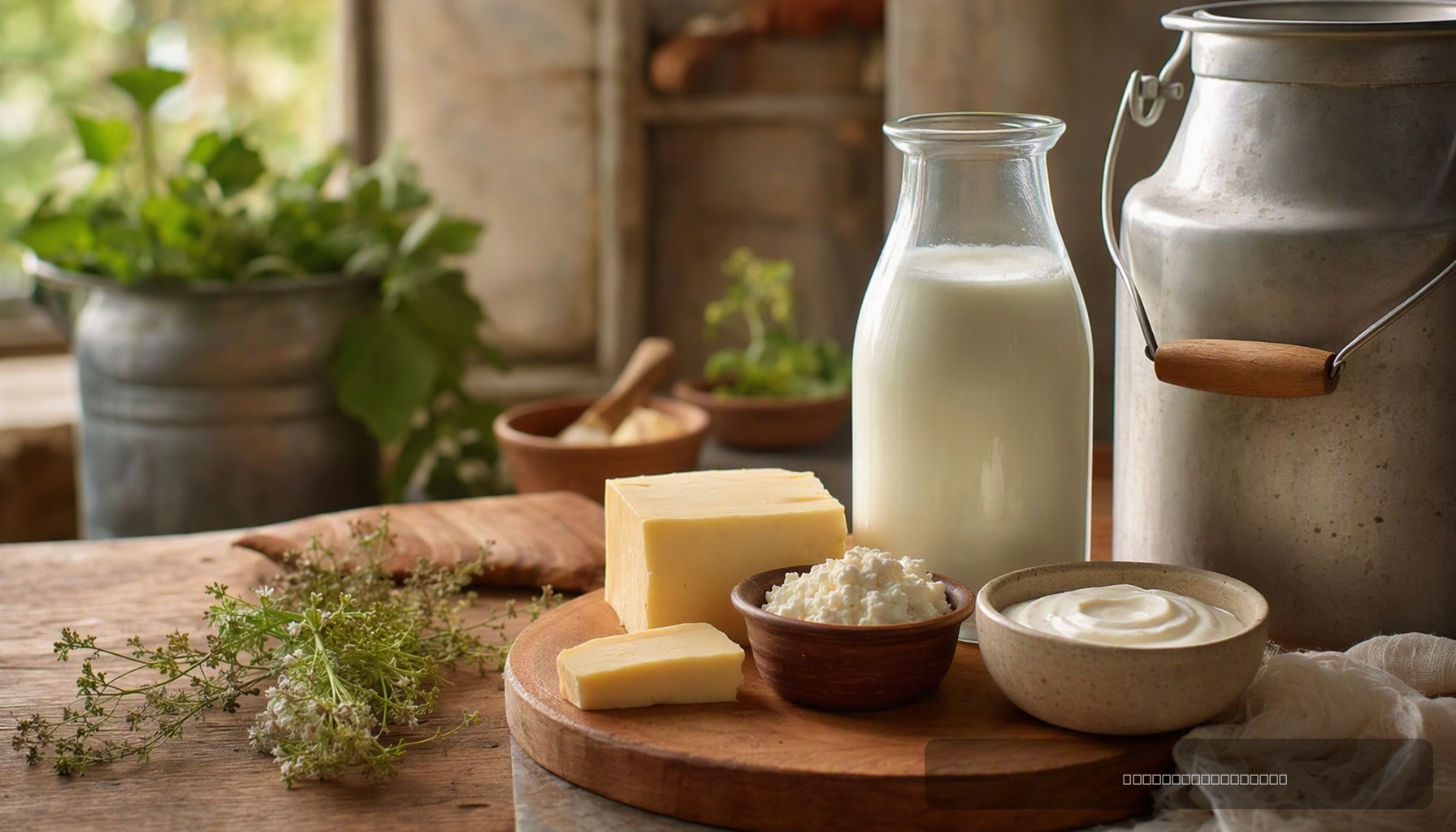
Amul is building a ₹400 crore plant at Toopran, Medak district, Telangana, to source milk from local cooperatives and produce clean dairy products including ghee, paneer, and curd.
Amul (Gujarat Cooperative Milk Marketing Federation, GCMMF) is investing ₹400 crore in a new dairy processing plant at Toopran in Medak district, Telangana, with a foundation stone laid on 4 October 2026. The plant is expected to be completed within 18 months and will procure milk directly from local farmers organised into cooperative societies, producing value-added products: milk, curd, buttermilk, lassi, paneer, ice cream, and ghee.
Union Coal and Mines Minister G. Kishan Reddy laid the foundation stone and addressed farmers at the event. The plant is part of the Centre's White Revolution 2.0 initiative, which has set a national target of establishing 75,000 new dairy cooperative societies by 2029. Telangana alone has been identified for 1,525 new cooperative societies under this expansion. Banks are offering loans of up to ₹20 lakh to women's self-help groups for livestock rearing and dairy activities, a direct attempt to pull more rural women into formal dairy supply chains.
What changed in how dairy reaches your table
For most of India's dairy history, milk moved from farmer to aggregator to processor to brand, with each layer taking a margin and adding time. Cooperative structures like Amul's collapse that chain: the farmer is also a member-owner of the cooperative, which negotiates directly with the processing plant. The Toopran facility is designed on this model.
The Sabar Dairy example cited at the event makes the scale of that shift concrete. Sabar Dairy started in 1964 with 19 cooperative societies and 5,100 litres of daily milk collection. By 2025-26 it processed nearly 50 lakh litres daily, involved around 50,000 milk producers (many of them women), and recorded a turnover of approximately ₹10,500 crore. That trajectory is the template Telangana's dairy sector is now being asked to follow.
For clean-label consumers, the cooperative sourcing model matters because traceability is structurally easier when the farmer is also a stakeholder. Milk from a registered cooperative society comes with a known origin district, a procurement price set by the cooperative board, and veterinary oversight. Amul's existing network already supplies nearly 2.5 million metric tonnes of cattle feed annually to member farmers, which gives the cooperative some control over what goes into the animal, and by extension, the milk. That is not a guarantee of additive-free output, but it is a more auditable supply chain than anonymous spot-market procurement.
The product list from the Toopran plant includes ghee, which is worth noting separately. Ghee sold under the Amul brand must meet FSSAI standards for milk fat content and purity under Food Safety and Standards (Food Products Standards and Food Additives) Regulations, 2011. Cooperative-sourced ghee, when produced without added flavours, colours, or hydrogenated fats, qualifies as a single-ingredient product. Whether the Toopran plant's ghee will carry any clean-label or additive-free positioning has not been announced.
One thing FSSAI has not yet clarified publicly is whether White Revolution 2.0 will introduce any new labelling or traceability requirements for cooperative-sourced dairy. The Ministry of Cooperation's cooperative expansion programme focuses on farmer income and society formation, not on product labelling standards. Consumers should not assume that a cooperative origin automatically means organic, A2, or additive-free dairy.
What buyers and home cooks should do
If you buy Amul products in Hyderabad and care about supply chain transparency, the Toopran plant is a development worth watching. Once operational, it will be the closest Amul processing facility to the city, which means shorter cold-chain distances for products sold in Hyderabad's retail stores. Shorter transit generally means fresher product and lower risk of temperature abuse, though Amul has not made specific claims about this yet.
For home cooks using ghee, paneer, or curd in daily cooking, the practical question is whether the product label lists anything beyond the base dairy ingredient. Current Amul ghee, for instance, lists only pasteurised cow milk cream on its standard pack. Paneer lists only milk and permitted acidity regulators (citric acid or lactic acid). If you are cooking for someone avoiding additives entirely, check the specific SKU rather than assuming all variants are the same. Amul's flavoured lassi and ice cream lines carry added sugars, colours, and flavourings that the plain curd or buttermilk products do not.
For Hyderabad residents interested in sourcing dairy from cooperative producers more directly, Telangana's own cooperative dairy, Vijaya Dairy (Telangana State Cooperative Milk Producers' Federation), already operates in the region. The Amul plant at Toopran will add a second large cooperative processor to the state, which should increase competition and, in theory, improve farmer price discovery.
Women's groups in Medak and surrounding districts who want to participate in the cooperative formation process can approach their district cooperative officer. The ₹20 lakh loan facility for women's groups is routed through banks under the cooperative expansion programme, not through Amul directly. The 1,525 new cooperative societies targeted for Telangana have not yet been allocated district-by-district in any public document available at the time of writing.