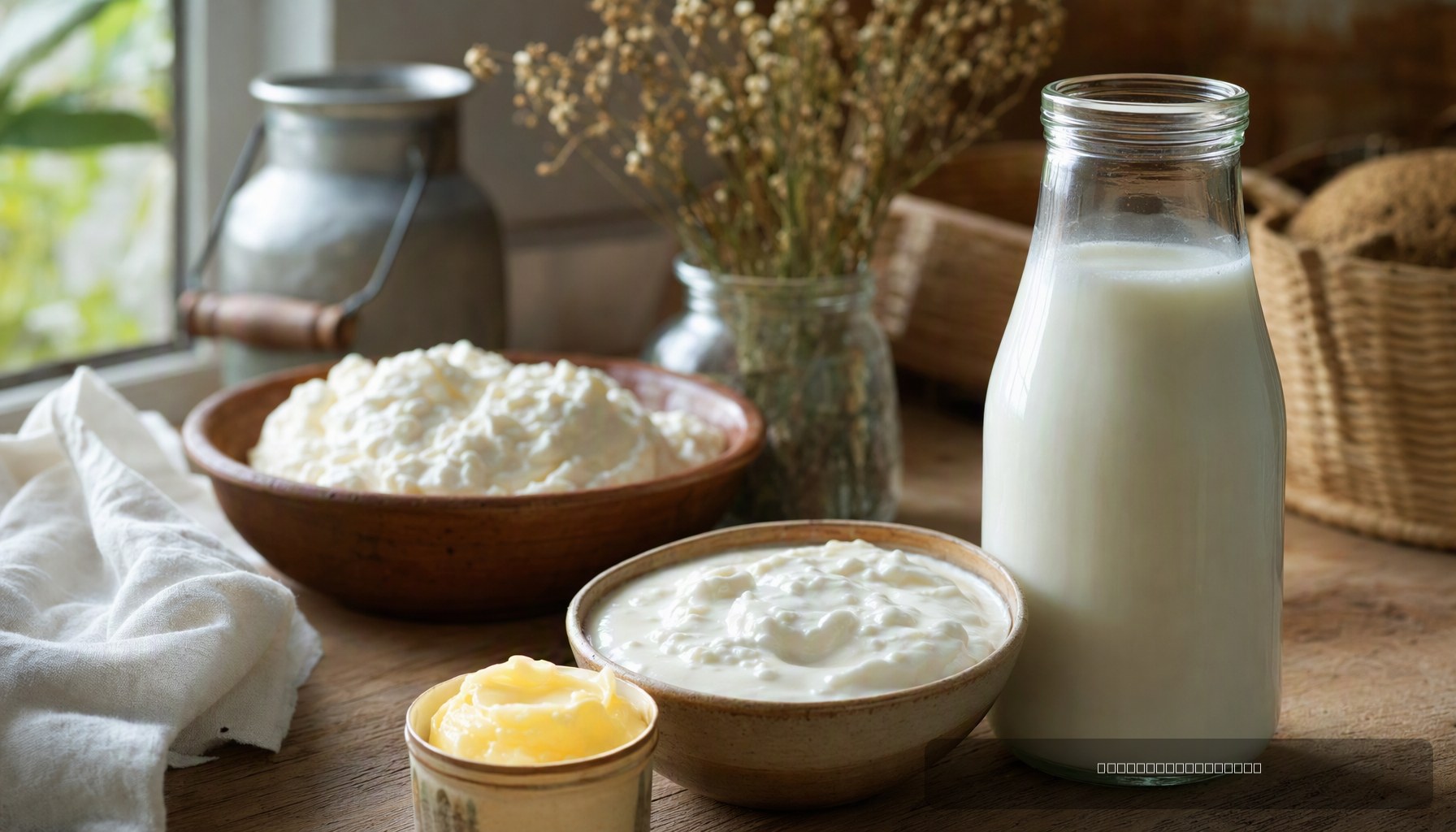
Amul is building a ₹400 crore plant at Toopran, Medak district, Telangana, to process locally sourced cooperative milk into value-added products within 18 months.
Amul, the brand of the Gujarat Cooperative Milk Marketing Federation (GCMMF), will build a ₹400 crore dairy processing plant at Toopran in Medak district, Telangana, with a completion target of 18 months from the foundation stone laying on 4 October 2026. The plant will procure milk directly from local cooperative farmers and manufacture curd, buttermilk, lassi, paneer, ice cream, and ghee for regional and national markets.
Union Coal and Mines Minister G. Kishan Reddy laid the foundation stone and addressed farmers at the event. He announced that Telangana has been identified for 1,525 new dairy cooperative societies under the Centre's cooperative expansion programme, part of a national target of 75,000 new dairy cooperatives by 2029 under White Revolution 2.0. Banks are offering loans of up to ₹20 lakh to women's self-help groups for livestock rearing and dairy activities under the same programme. Telangana Ministers D. Sridhar Babu (Industries and IT), Vivek Venkatswamy (Labour), and Medak MP M. Raghunandan Rao were also present at the event.
What changed in Telangana's dairy supply chain
For consumers who care about where their milk comes from, the cooperative model matters because it shortens and documents the supply chain. When a farmer sells through a cooperative, the milk collection point, the processing facility, and the brand are all part of one accountable structure. That is structurally different from the fragmented private procurement networks that dominate much of Telangana's current dairy market, where traceability from farm to packet is rarely guaranteed.
Amul's existing network gives some scale to that claim. According to The Hindu's report on the event, GCMMF supplies roughly 2.5 million metric tonnes of cattle feed annually to its member farmers and sells through three million retail outlets across India, with exports to more than 50 countries. That feed supply loop matters for clean-label purposes: when the cooperative controls animal nutrition, it has more visibility over what goes into the milk before it reaches the chilling unit.
The Toopran plant is also positioned as a model for what White Revolution 2.0 is trying to replicate at scale. Kishan Reddy cited Sabar Dairy in Gujarat as a reference point. Sabar Dairy, a member union of GCMMF, began in 1964 with 19 cooperatives and a daily collection of 5,100 litres. By 2025-26, it processed close to 50 lakh litres daily, involved around 50,000 milk producers (many of them women), and recorded a turnover of approximately ₹10,500 crore. The Toopran plant is intended to follow a similar trajectory for Telangana's Medak district.
What the cooperative model does not automatically guarantee is the absence of processing additives in finished products. Paneer, flavoured lassi, and ice cream can legally carry stabilisers, emulsifiers, and added sugars under FSSAI's Food Safety and Standards (Food Products Standards and Food Additives) Regulations. GCMMF's product range is broad, and not every SKU is additive-free. Buyers looking for clean-label dairy from Amul need to read the ingredient list on each product rather than assuming the cooperative origin means minimal processing.
What buyers and home cooks should do
If you are in Hyderabad or elsewhere in Telangana and want to make use of what this plant eventually produces, here is what is worth tracking.
First, watch for Amul's Telangana-sourced milk to appear in local retail once the plant is operational, likely in early-to-mid 2028 at the current timeline. Cooperative-sourced milk from a geographically close plant means shorter cold-chain distances, which generally means fresher milk with less need for extended shelf-life interventions.
Second, prioritise the simpler SKUs. Amul's plain toned milk, full-cream milk, and fresh paneer have short ingredient lists. The flavoured variants, ice creams, and processed cheese products carry additives that are standard across the industry but worth knowing about. Amul Masti Dahi, for instance, lists only milk and starter culture, which is about as clean as commercial curd gets. Amul Lassi (the tetra-pack version) contains added sugar and flavouring. The difference is in the label, not the brand.
Third, if you are a home cook using ghee, cooperative-sourced ghee from a plant with direct farmer procurement is one of the more traceable options available in the mass market. FSSAI's standard for ghee (IS 3508) does not permit any additive other than annatto as a colourant in some variants, so ghee is one category where the ingredient list is almost always clean by default.
For Hyderabad residents specifically, Amul products are already widely available across the city's retail chains and neighbourhood stores. The Toopran plant, located roughly 80 km north of Hyderabad in Medak district, will serve this market directly once commissioned. Whether that proximity translates into lower prices or fresher product will depend on GCMMF's distribution decisions, which have not been announced yet.
The 1,525 cooperative societies planned for Telangana under White Revolution 2.0 are still at the formation stage. FSSAI has not released any specific quality or traceability standards tied to White Revolution 2.0 cooperatives, so the regulatory floor for milk sourced through these new societies remains the existing raw milk standard under FSS (Food Products Standards and Food Additives) Regulations, 2011. That standard sets limits on fat content, solids-not-fat, and adulterants, but does not mandate farm-level documentation of feed or veterinary inputs. Buyers who want that level of transparency currently need to look at smaller organic or A2 dairy brands that publish farm-sourcing details.