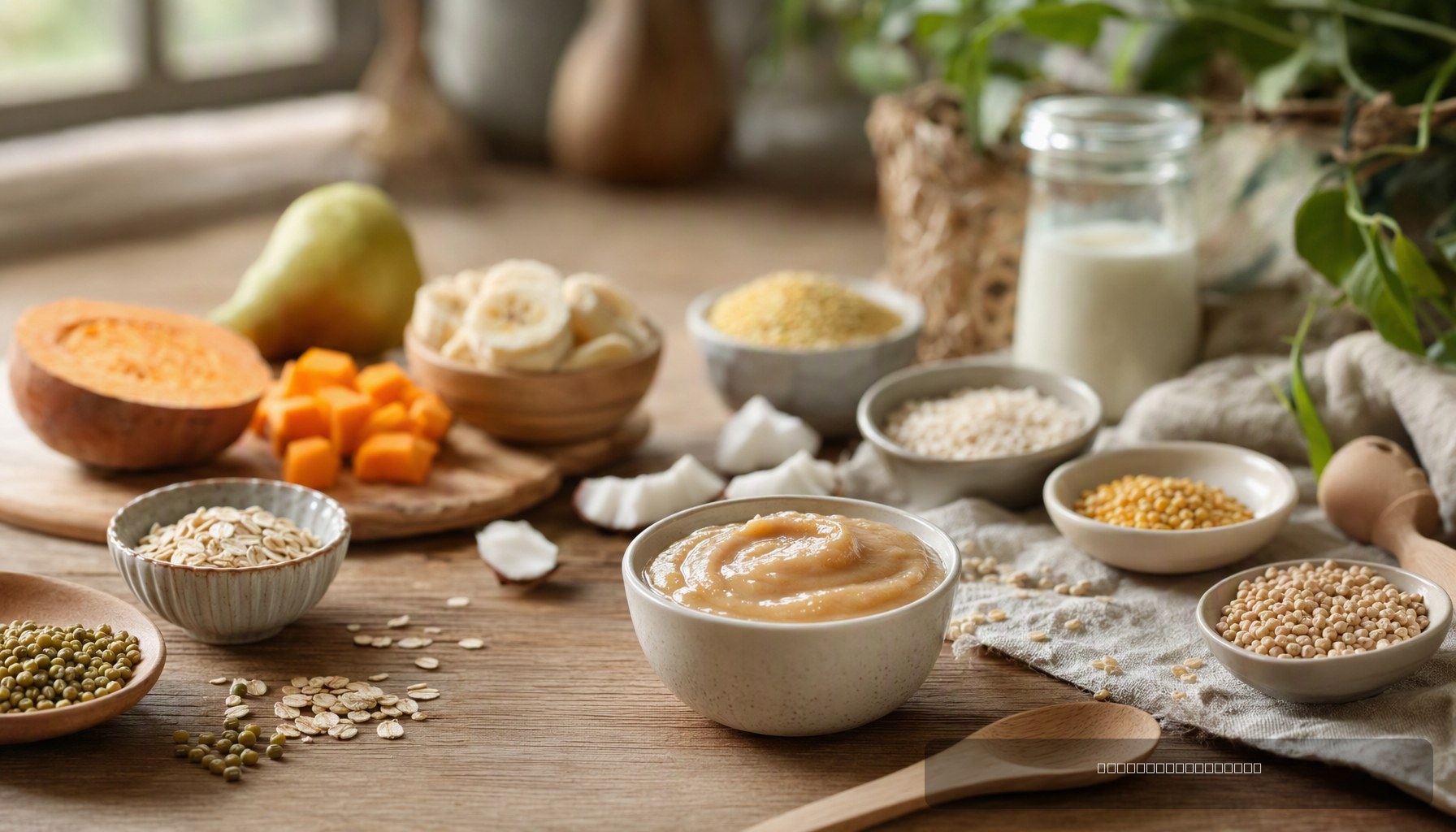
FSSAI has proposed banning sucrose and fructose in baby food for infants up to six months old, citing childhood obesity risks and public health guidance on exclusive breastfeeding.
FSSAI's draft Food Safety and Standards (Foods for Infant Nutrition) Amendment Regulations, 2026, proposes that "sucrose and fructose shall not be added in the products intended for infants up to the age of 6 months," a direct amendment to the existing Food Safety and Standards (Foods for Infant Nutrition) Regulations, 2020.
The Ministry of Health and Family Welfare published the draft notification on 19 October 2026 for a 60-day public consultation window. Any manufacturer, paediatrician, or consumer can submit objections or suggestions before the deadline. FSSAI will review all representations before the amendment is finalised. The move targets the earliest window of infant life, a period when the only recommended nutrition, according to established public health guidance, is breast milk.
What changed from the current rules
Under the 2020 regulations, lactose and glucose polymers are the preferred carbohydrate sources in infant formula and related products. Sucrose and fructose were not outright banned. They could be added when needed as a carbohydrate source, subject to prescribed concentration limits. The draft amendment removes that flexibility entirely for the under-six-months age group.
For products intended for infants aged six months to 24 months, the existing rules remain in place for now. FSSAI has not released a revised schedule for that older cohort, so parents of babies in the 6-to-24-month range should not assume the same restriction applies yet.
The rationale the Ministry cited is straightforward: early exposure to added sugars is a dietary risk factor linked to childhood obesity and related metabolic conditions. The proposal also frames itself as complementary to the World Health Organization's recommendation of exclusive breastfeeding for the first six months. In practice, the amendment would push formula manufacturers to reformulate products so that any sweetness comes only from lactose, the sugar naturally present in breast milk, or from approved glucose polymers.
Sucrose is ordinary table sugar, a disaccharide of glucose and fructose. Fructose is the monosaccharide found in fruit and honey. Both are metabolised differently from lactose in infants, and several peer-reviewed studies have flagged fructose in particular as a driver of hepatic fat accumulation and altered appetite signalling when consumed in early life. The American Academy of Pediatrics has separately advised against fruit juice (a fructose vehicle) for children under 12 months for related reasons.
What buyers and parents should do now
If your baby is under six months and you are using commercial infant formula or any supplementary infant nutrition product, check the ingredient list today. Under current law, sucrose or fructose may legally appear in these products. Look for terms like "sucrose," "fructose," "fruit sugar," "cane sugar," or "invert sugar" in the ingredients. If any of these appear, the product falls into the category FSSAI is now proposing to restrict.
Brands sold in India that manufacture infant formula include Abbott (Similac), Danone (Aptamil, Farex), Nestle (NAN, Lactogen), and Mead Johnson (Enfamil, now part of Reckitt). None of these companies have issued public statements on the draft amendment as of 20 October 2026. It is worth watching their official channels for reformulation announcements once the 60-day consultation closes.
If you want to submit feedback on the draft, FSSAI accepts public comments through its official portal at fssai.gov.in. Paediatricians, dietitians, and consumer groups can file formal objections. The regulator has committed to considering all representations before finalising the text.
For parents who rely on formula because breastfeeding is not possible, the practical implication is that no immediate product recall or withdrawal is happening. The amendment is still a draft. Until it is gazetted as a final regulation, manufacturers are not legally required to reformulate. That said, choosing a formula where lactose is the sole or primary carbohydrate source is already consistent with the direction FSSAI is signalling.
For parents introducing complementary foods after six months, the draft does not change anything yet for that age band. Homemade purees of vegetables, lentils, and plain cooked grains remain the cleanest option because they carry no added sugars by default. Commercial pouches and cereals marketed for babies aged six months and above still need to be read carefully, since the proposed restriction covers only the under-six-months category.
One thing FSSAI has not clarified in the draft is whether "infant nutrition products" covers only formula, or also includes cereal-based weaning foods, biscuits, and snack puffs marketed for very young infants. The 2020 regulations cover products for birth to 24 months, but the enforcement scope of the new restriction will depend on how FSSAI defines the product categories in the final gazette notification. That definition matters because several Indian brands, including Nestle's Cerelac range and Slurrp Farm (Wholsum Foods), sell grain-based products positioned for infants, and their sugar content has drawn scrutiny in previous years.