FSSAI ordered Dabur to stop selling products with '100%' label claims in July 2026, citing FSS (Advertising and Claims) Regulations, 2018, and demanding a corrective action report within 15 days.
FSSAI's prohibition order against Dabur India Ltd, issued in late July 2026, names at least eight product categories where the company's '100%' label claims violate the FSS (Advertising and Claims) Regulations, 2018, because those claims are ambiguous, unverifiable, and likely to mislead consumers.
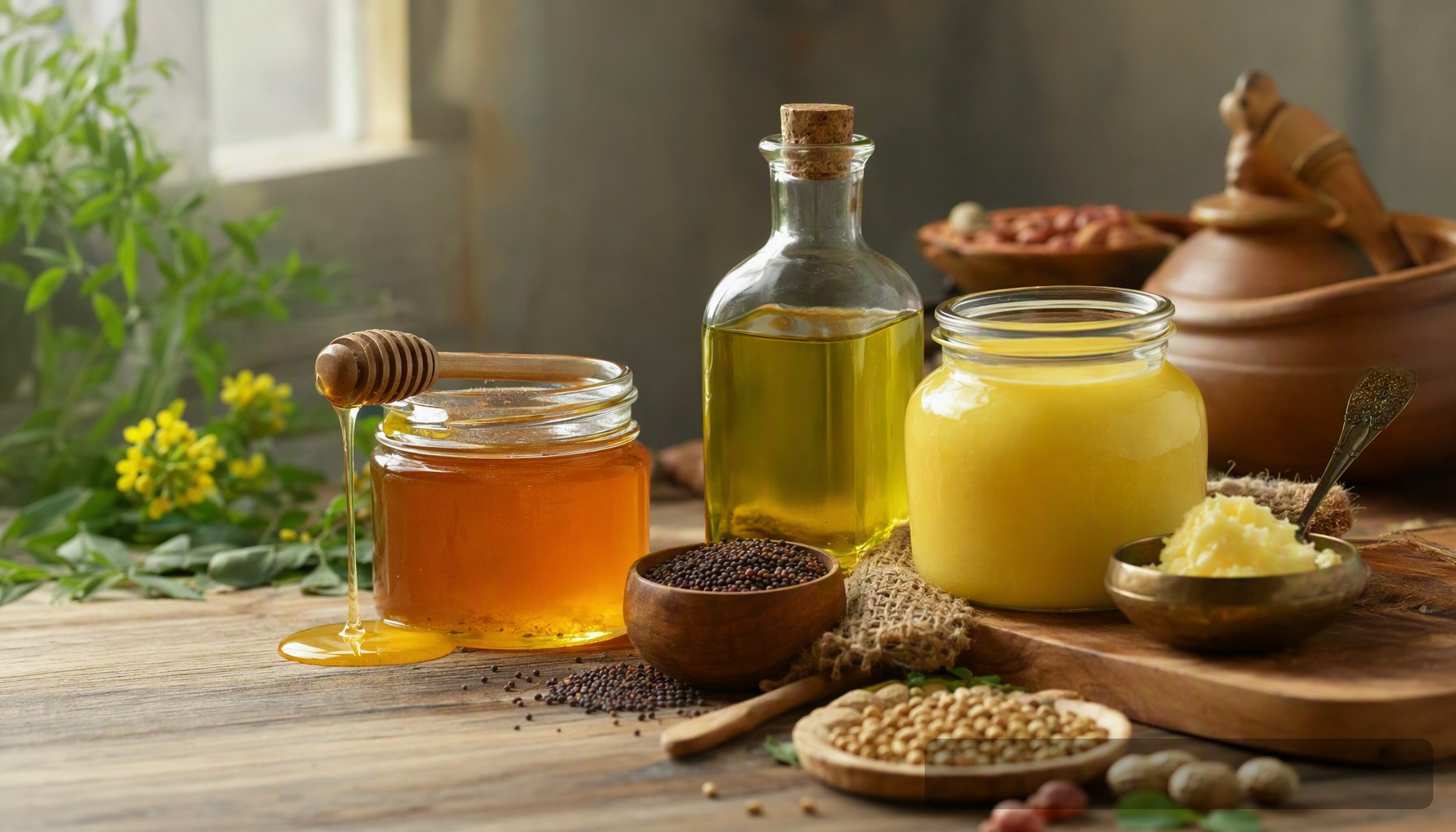
Dabur India Ltd is one of India's largest fast-moving consumer goods companies, with net sales of Rs 13,042 crore in FY26. The products named in the FSSAI notice include Dabur Honey, Dabur Virgin Coconut Oil, Dabur Sesame Oil, Dabur Cow Ghee, Dabur Apple Cider Vinegar, Dabur Coconut Water, and Dabur Coconut Milk. FSSAI announced the order through its official social media channels on 4 August 2026. The regulator directed Dabur to stop selling all affected products immediately and to submit an action-taken report within 15 days. A Dabur spokesperson told Mint the company had received the notice and was "in the process of checking the content mentioned in the notice on our website."
What changed, and why it matters
This is not the first time FSSAI has flagged Dabur's label language. A similar dispute played out in the Delhi High Court in 2025, when Dabur modified the claim on one product from "100% fruit juice" to "100% no added sugar and preservatives" after a June 2024 FSSAI notification. The regulator's current order explicitly states that despite an earlier notice directing Dabur to discontinue misleading '100%' claims, the company took no satisfactory corrective action. That history matters because it shifts the framing from a first-time labelling slip to a pattern of non-compliance.
The FSS (Advertising and Claims) Regulations, 2018, prohibit claims that cannot be substantiated or that create a false impression about a food's composition, quality, or origin. A claim like "100% pure honey" or "100% virgin coconut oil" implies absolute purity with no adulterants, no processing aids, and no variation from a defined standard. FSSAI's position is that no food business operator can guarantee or verify such an absolute claim at the point of sale, making the phrase inherently misleading regardless of the product's actual quality.
The order also covers two products under a separate regulation. Dabur Himalayan Organic Apple Cider Vinegar and Dabur Organic Honey were found displaying the Jaivik Bharat logo without a valid FSSAI organic endorsement, in violation of the FSS (Organic Foods) Regulations, 2017. The Jaivik Bharat logo is a government-controlled mark; using it without certification is a distinct offence from the '100%' claims issue and suggests the compliance gap spans more than one regulatory framework.
For shoppers who buy Dabur products specifically because of purity or organic signals on the label, this order is a direct signal that those claims had no regulatory backing. The '100%' language appears across Dabur's premium and health-positioned SKUs, which typically carry a price premium over standard variants. Consumers paying more for "100% cow ghee" or "100% virgin coconut oil" were making a purchasing decision based on a claim the regulator now says cannot be verified.
FSSAI has been tightening enforcement on front-of-pack claims since its June 2024 notification on fruit juice labelling. The Dabur order follows a broader pattern: the regulator is moving from issuing guidance to issuing prohibition orders with hard deadlines and mandatory reporting requirements.
What buyers and cooks should do
If you currently have Dabur products at home with '100%' claims on the label, the FSSAI order does not mean the products are adulterated or unsafe. The violation is about the label claim, not about the food itself failing a quality test. FSSAI has not issued a recall or a safety alert for these products.
That said, the order is a useful prompt to read labels more carefully. Under the FSS (Advertising and Claims) Regulations, 2018, a legitimate purity or composition claim must be specific and verifiable. Phrases like "made with 100% cold-pressed oil" or "contains no added sugar" are testable. A bare "100% pure" claim is not, which is exactly why FSSAI prohibits it.
For organic products specifically, the Jaivik Bharat logo is the only government-recognised mark for organic food in India. If a product carries that logo, you can verify the certification through the FSSAI organic foods portal. If a product describes itself as organic without the logo or a valid third-party certification number on the label, that claim has no regulatory standing.
When buying honey, ghee, or cold-pressed oils from any brand, look for a specific standard reference on the label. FSSAI-regulated honey must conform to Food Safety and Standards (Food Products Standards and Food Additives) Regulations, 2011. Ghee must meet the PFA standard for milk fat content. A brand that cites the applicable standard is giving you something checkable. A brand that prints "100% pure" is not.
Dabur has 15 days from the notice date to file its action-taken report. FSSAI has not yet published what corrective steps it will accept, and it is not clear whether Dabur will contest the order in court as it did in 2025. The company's food segment revenue fell 4.4% in FY26 to Rs 1,974 crore, so a forced label overhaul across multiple SKUs carries real commercial weight. Whether that pressure produces a faster resolution than the 2025 Delhi High Court episode remains to be seen.