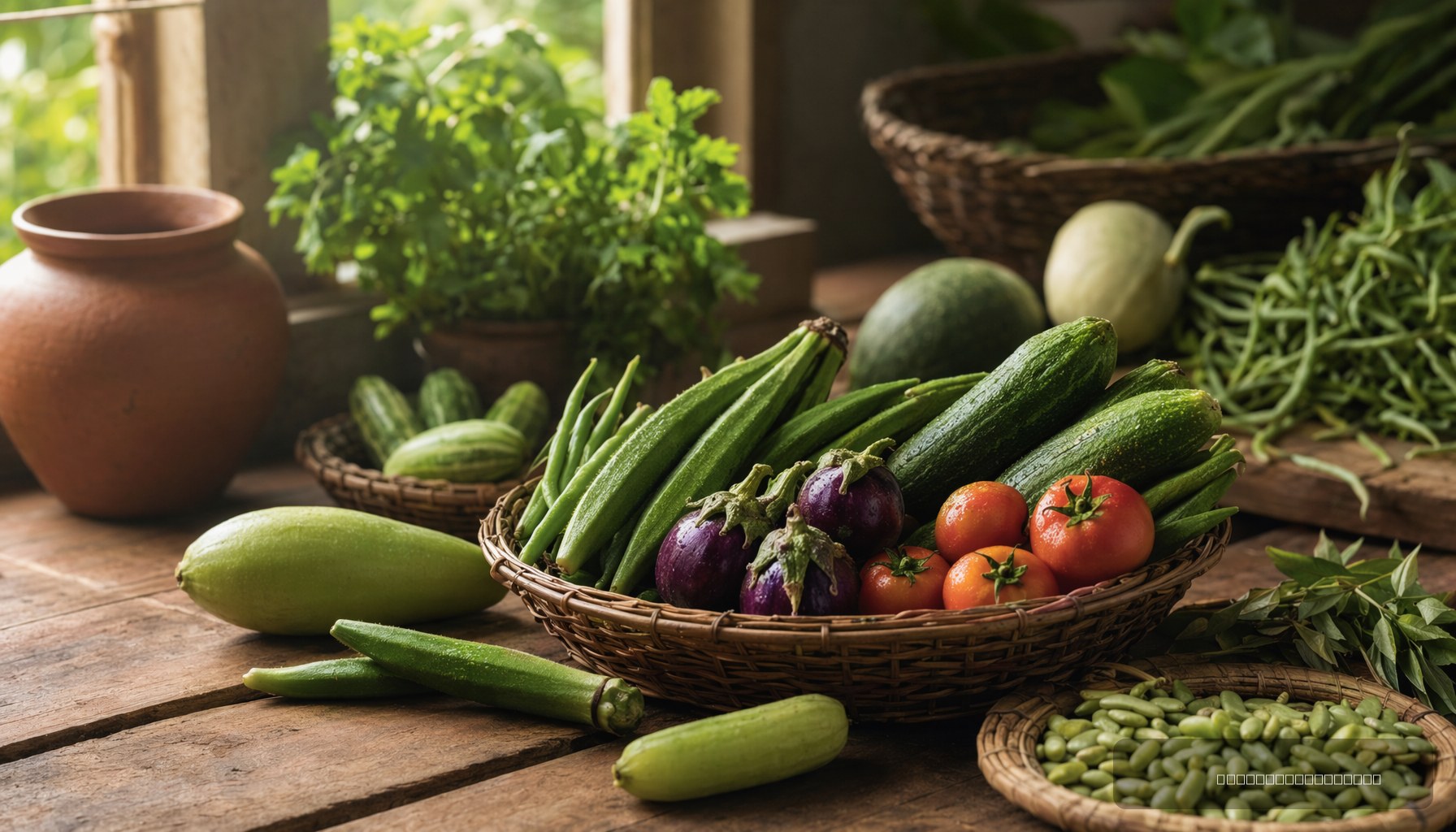
FSSAI's May 2026 advisory says dry vegetables before refrigerating, wrap leafy greens in paper towels, and use perforated bags — not sealed plastic — to slow summer spoilage.
India's Food Safety and Standards Authority of India (FSSAI) issued a public advisory on 20 May 2026, via its official X account (@fssaiindia), directing consumers to adopt three specific habits to keep vegetables fresh, safe, and nutritious during the summer months: clean and dry leafy greens properly before storage, wrap them in a paper towel rather than newspaper, and place them in net or perforated bags rather than sealed plastic. The advisory, tagged under FSSAI's ongoing #EatRightIndia campaign, was subsequently covered by Indian Express Lifestyle on 25 May 2026.
The advisory is aimed at Indian households navigating temperatures that routinely exceed 40°C across large parts of the country between April and June. At those temperatures, the gap between a vegetable bought fresh at the sabzi mandi and one that is slimy by dinner can be a matter of hours — and the culprit is almost always moisture mismanagement, not the vegetable itself.
What changed — and why FSSAI stepped in
FSSAI has not issued a formal regulatory notification or gazette amendment here; this is a consumer-awareness advisory, not a binding rule. That distinction matters. The regulator is not penalising retailers or mandating cold-chain upgrades — it is nudging home cooks toward habits that food scientists have recommended for years but that remain poorly practised in Indian kitchens.
The timing is deliberate. Summer 2026 has brought early and intense heat waves across the Indo-Gangetic plain and peninsular India, and post-harvest losses of vegetables in India are already estimated at 15–25% by the Indian Council of Agricultural Research. A significant share of that loss happens not in transit but inside domestic refrigerators, where well-meaning consumers seal wet spinach in airtight bags and wonder why it turns black overnight.
Dt Amreen Sheikh, chief dietitian at KIMS Hospitals, Thane, who reviewed the advisory for Indian Express, explains the mechanism plainly: higher temperatures and humidity accelerate both moisture loss from the vegetable and microbial colonisation on its surface. Bacteria and fungi thrive in the damp microenvironment created when a wet bunch of methi or palak is sealed in plastic — the condensation inside the bag is essentially a growth medium.
The newspaper-wrapping habit, still common in many Indian households, deserves particular attention. Newsprint ink contains mineral oils and other compounds that can migrate onto food surfaces, especially when moisture is present. FSSAI's explicit instruction to use paper towels rather than newspaper is a small but meaningful food-safety signal, even if the regulator has not yet issued a specific maximum residue limit for newsprint-contact migration in the context of fresh produce.
What buyers and home cooks should actually do
Dry before you store. After washing vegetables, spread them on a clean kitchen towel or use a salad spinner and let surface moisture evaporate before refrigerating. This single step does more to extend shelf life than any storage container upgrade.
Paper towel, not newspaper. Line the crisper drawer or wrap leafy greens — spinach, fenugreek, coriander, curry leaves — in an unprinted paper towel. The towel absorbs the moisture the leaves naturally release during cold storage, preventing the soggy-leaf problem. Replace the towel every two to three days if you are storing greens for a week.
Breathable bags over sealed plastic. Net bags, mesh produce bags, or bags with small perforations allow ethylene gas (which accelerates ripening) and excess moisture to escape. Sealed zip-lock bags trap both, speeding up decay. If you only have sealed bags, leave them partially open in the crisper.
Segregate your produce. Not all vegetables want the same environment. Root vegetables like carrots and beetroot tolerate cold and moisture better than tomatoes, which lose flavour and texture below 12°C and are best stored at room temperature unless already cut. Storing everything together in a crowded crisper drawer — a habit Sheikh specifically flags — reduces airflow around every item and transfers spoilage from one to another.
Remove damaged pieces immediately. One bruised or rotting vegetable releases ethylene and microbial spores that hasten spoilage in everything around it. Check your crisper drawer every two days and pull out anything that is softening or discolouring.
On pesticide residues: washing matters, but method matters more. FSSAI's advisory focuses on storage rather than washing technique, but the two are linked. Washing vegetables under running water and then drying them — rather than soaking them in standing water, which can redistribute surface contaminants — is the approach consistent with FSSAI's broader food-safety guidance. Some consumers add a small amount of salt or turmeric to the wash water; FSSAI has not formally endorsed any additive-wash protocol for home use, and the evidence for significant pesticide reduction from salt or vinegar soaks is mixed at best. Plain running water, followed by thorough drying, remains the most evidence-consistent approach.
Plan your purchases around the heat. Buying smaller quantities more frequently is more aligned with summer realities than stocking up for a week. Leafy greens in particular have a compressed shelf life in summer even under ideal storage conditions — two to three days is a realistic target for spinach or coriander, not five to seven.
FSSAI has not released a comprehensive summer food-safety schedule or a follow-up advisory covering fruits, dairy, or cooked food storage as of publication. Whether this advisory will be expanded into a broader seasonal campaign under #EatRightIndia remains to be seen. For now, the three-point guidance — dry, wrap in paper towel, use perforated bags — is actionable, costs nothing, and is grounded in straightforward food microbiology.