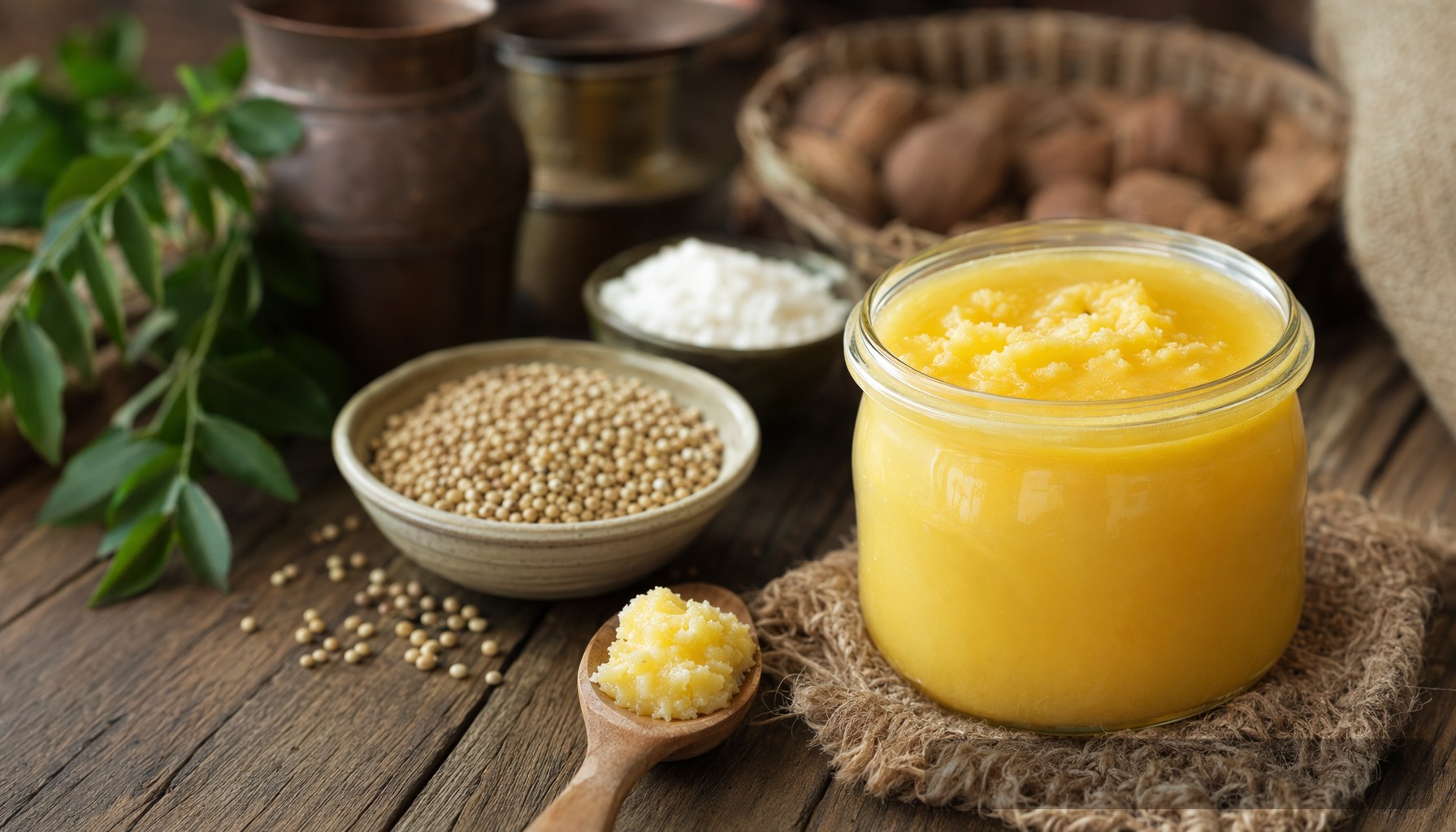
Telangana food safety officers seized 850 kg of suspected adulterated ghee from 14 Hyderabad outlets on July 14-15, 2026, with lab results pending before formal charges.
The Telangana Food Safety Department seized 850 kg of suspected adulterated ghee and destroyed a further 60 kg during coordinated inspections of 14 establishments in Hyderabad on July 14 and 15, 2026, acting under the Food Safety and Standards Act, 2006.
Food Safety Commissioner Sangeetha Satyanarayana confirmed the operation in a statement issued on July 17. The inspections were conducted in coordination with the police, following credible information that sellers were mixing palm oil and vanaspati into ghee. Preliminary on-site checks confirmed the presence of foreign fats in ghee produced by some licensed entities. Separately, inspectors found other firms manufacturing and selling ghee with no FSSAI license or registration at all. Samples from the seized stock have been sent to a laboratory, and the Commissioner said formal legal action will follow once results are confirmed.
What changed
Ghee adulteration is not new in India, but this sweep is notable for two reasons. First, the scale: 850 kg seized across just 14 outlets in a single two-day operation points to a supply chain problem, not isolated incidents. Second, the mix of violations found: licensed producers adulterating product alongside unlicensed operators selling ghee entirely outside the regulatory system. Both categories carry different legal exposure under the FSS Act, but both put consumers at the same risk.
Under FSSAI standards, pure ghee (Regulation 2.1.6 of the Food Safety and Standards (Food Products Standards and Food Additives) Regulations, 2011) must meet defined limits for Reichert-Meissl value, Polenske value, and Butyro-refractometer reading. The presence of palm oil or vanaspati shifts these values measurably, which is why lab confirmation is the standard next step before prosecution. The Commissioner has not released a timeline for when lab results are expected, so the number of operators actually charged remains unknown.
Vanaspati is partially hydrogenated vegetable fat, typically made from palm or soybean oil. It is cheaper than ghee by a wide margin, which is why it is the most commonly detected adulterant in ghee samples across India. Palm oil on its own is also significantly cheaper than cow or buffalo milk fat. Mixing either into ghee inflates margins while degrading the nutritional and culinary profile of the product. For consumers who use ghee in religious rituals, Ayurvedic preparations, or Jain cooking where ingredient purity carries specific meaning, adulteration is not just a health issue.
The Telangana operation follows a broader pattern of state-level food safety activity in mid-2026. FSSAI has separately issued notices to Swiggy Instamart over alleged food safety violations and to companies making misleading energy drink claims, signalling that enforcement is active across multiple product categories right now.
What buyers and cooks should do
Commissioner Satyanarayana's advice was direct: buy ghee only from licensed and trustworthy establishments, check the FSSAI license number on the label, and read the manufacturing details before purchase.
A few practical additions to that:
- The FSSAI license number on a ghee pack should be 14 digits. You can verify it at https://foscos.fssai.gov.in. If a seller cannot show a license number, that is a red flag the Hyderabad inspections have now made concrete.
- Loose or decanted ghee sold at local provision stores, sweet shops, or street-facing dairy counters carries higher adulteration risk than factory-sealed packs, simply because the supply chain is less traceable.
- For consumers who buy ghee in bulk for festivals or catering, the Commissioner specifically advised keeping purchase bills. A receipt with the seller's name and address is the minimum documentation needed to file a complaint if you suspect adulteration.
- Complaints can be filed with the Telangana Food Safety Department directly, or through the FSSAI consumer helpline at 1800-11-2100.
If you want a quick home check, pure ghee solidifies uniformly at room temperature in cooler months and has a grainy texture when rubbed between fingers. Ghee adulterated with vanaspati or palm oil tends to be smoother and may have a faintly different colour. These are indicative, not conclusive, and no home test replaces lab analysis, but they can prompt you to ask more questions before buying again from the same source.
The lab results from this sweep will determine whether the 850 kg seizure becomes a prosecution or a warning. Until those results are public, the identity of the specific outlets involved has not been disclosed by the department.