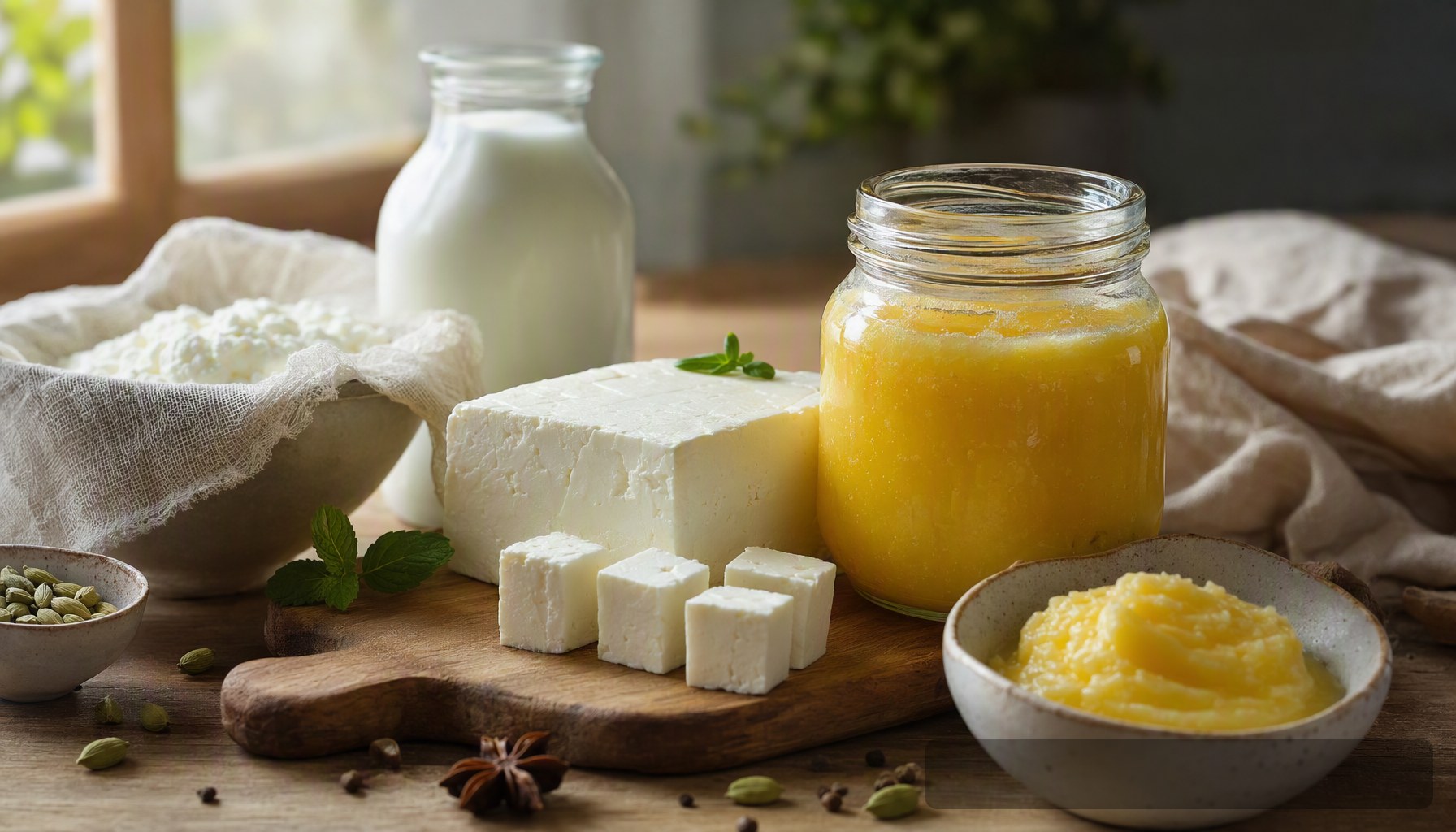
TGSAFE seized Rs 17,500 worth of misbranded food from Pista House, Gachibowli, and sent ghee and paneer samples for lab testing on 29 August 2026.
Telangana's food safety enforcement arm, TGSAFE (Telangana State Food Safety and Enforcement), seized misbranded food products worth approximately Rs 17,500 from Pista House in Gachibowli, Hyderabad, on 29 August 2026, acting under the Food Safety and Standards Act, 2006 and the FSS (Labelling and Display) Regulations, 2020.
Pista House is one of Hyderabad's most recognised halal food brands, with outlets across the city. The Gachibowli branch, located in the western IT corridor, was inspected as part of an ongoing enforcement drive. Officers found labelling violations in the storage area and seized 15 kg of cashew nuts, 24 kg of dry noodles, and 5 kg of potato chips. Separately, they collected samples of two products, Masqati Ghee and Vangal Paneer, and dispatched them to a government-accredited laboratory to determine whether they meet prescribed food safety standards. Lab results have not been made public yet.
What misbranding means under Indian food law
Misbranding under the FSS Act covers a range of labelling failures: missing mandatory declarations (net weight, batch number, best-before date, manufacturer address, FGSAI licence number), false or misleading claims, and packaging that obscures or omits required information. A product does not need to be adulterated to be misbranded. It can be perfectly safe to eat and still attract seizure if its label is incomplete or deceptive.
The FSS (Labelling and Display) Regulations, 2020 tightened these requirements significantly. Every pre-packaged food sold in India must carry the FSSAI logo and licence number, a complete ingredient list in descending order of weight, allergen declarations, and nutritional information per 100 g or 100 ml. For ghee specifically, FSSAI's product standards under Schedule I of the FSS (Food Products Standards and Food Additives) Regulations, 2011 require the product to meet defined fat content and purity thresholds. Paneer must meet moisture and fat-on-dry-matter standards. Whether Masqati Ghee and Vangal Paneer failed on composition, labelling, or both is not yet known. TGSAFE has not released the lab findings.
This distinction matters for buyers. A misbranding seizure at the point of inspection does not automatically mean the food was unsafe. It does mean the product could not be traced or verified through its label alone, which is exactly the problem clean-label advocates flag: if you cannot read a complete, accurate label, you cannot make an informed choice.
Why this fits a broader pattern in Hyderabad
The Gachibowli inspection is one of several TGSAFE actions reported in recent months. In July 2026, H-FAST raided fast food centres in Chandrayangutta and seized reused cooking oil and artificially coloured chicken. Around the same time, 14 outlets were inspected and 60 kg of ghee was destroyed on the spot while 850 kg was seized for suspected adulteration. Ghee appears repeatedly in these actions because it is both high-value and relatively easy to adulterate with vegetable fats or animal fats not declared on the label.
A Telangana Today report from July 2026 also noted a staff crunch in the Food Safety wing that was limiting inspections across GHMC, CMC, and MMC jurisdictions. That context is worth holding alongside the current enforcement activity: the drive is real, but it is operating with constrained resources, and the number of uninspected establishments remains large.
Ghee adulteration is a particular concern for consumers who use it in religious rituals, Ayurvedic preparations, or as a clean-fat cooking medium. Adulterated ghee sold under a misleading label can contain hydrogenated vegetable oils or animal fats from undeclared species, which is a serious issue for vegetarian, Jain, and halal consumers alike.
What buyers and cooks should do
The lab results for Masqati Ghee and Vangal Paneer are pending. Until TGSAFE publishes findings, there is no confirmed evidence that either product is unsafe or adulterated. What the seizure does confirm is that labelling at the Gachibowli outlet was non-compliant at the time of inspection.
For anyone buying ghee or paneer, whether from a restaurant supply chain or a retail shelf, a few checks are worth making a habit.
First, look for the 14-digit FSSAI licence number on the pack. You can verify it on the FSSAI FoSCoS portal. A missing or unverifiable number is a red flag regardless of brand reputation.
Second, check the ingredient list on ghee. Pure cow or buffalo ghee should list only one ingredient. Any mention of vanaspati, partially hydrogenated vegetable oil, or interesterified fat means it is not pure ghee under FSSAI standards.
Third, for paneer, the label should declare whether it is made from full-fat or standardised milk, and the net weight should be accurate. Paneer sold loose from a storage area, without any labelling, cannot be traced to a licensed manufacturer and carries higher risk of adulteration or contamination.
Finally, if you buy from a restaurant or catering outlet rather than a sealed retail pack, you can ask staff to show the original supplier packaging. Reputable establishments should be able to produce it. If they cannot, that is worth noting.
Pista House has not issued a public statement in response to the inspection. Clean Label Guide will update this article if TGSAFE releases the laboratory findings for Masqati Ghee and Vangal Paneer.
Sources
- Food Safety officers seize misbranded products from Pista House in Gachibowli — Telangana Today
- Hyderabad: 14 outlets inspected; 60 kg ghee destroyed, 850 kg seized for suspected adulteration — Telangana Today
- Hyderabad: H-FAST raids Chandrayangutta fast food centres, seizes reused oil and coloured chicken — Telangana Today
- Hyderabad: Staff crunch in Food Safety wing hits inspections in GHMC, CMC and MMC — Telangana Today
- FSS (Labelling and Display) Regulations, 2020 — FSSAI
- FoSCoS — FSSAI licence verification portal