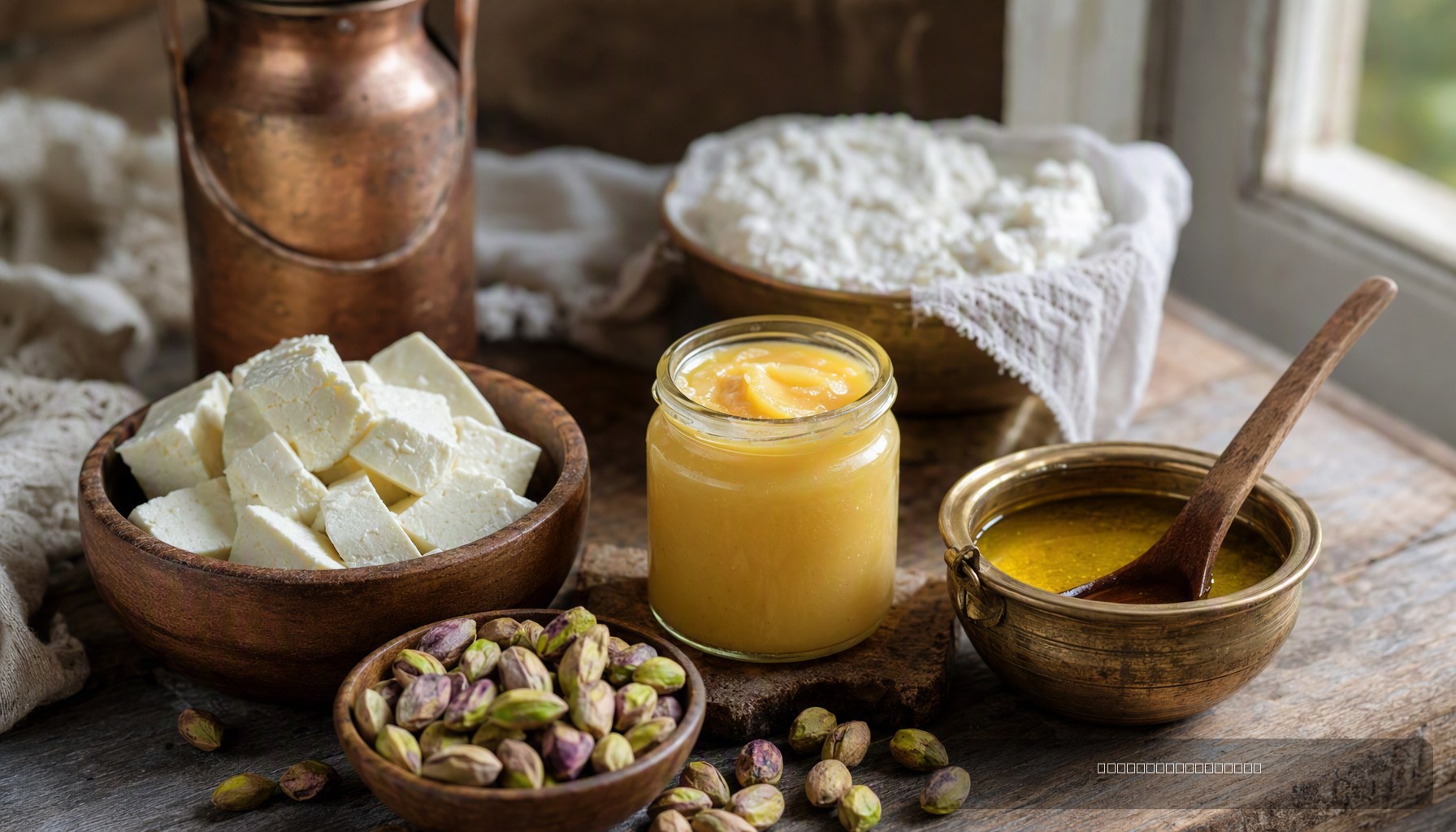
TGSAFE officers seized Rs 17,500 worth of misbranded products from Pista House in Gachibowli on 29 August 2026, and sent ghee and paneer samples for lab testing.
Telangana State Food Safety Department (TGSAFE) officers seized misbranded food products worth approximately Rs 17,500 from Pista House in Gachibowli, Hyderabad, on 29 August 2026, citing violations of labelling and storage norms under the Food Safety and Standards Act, 2006.
Pista House is one of Hyderabad's most recognised biryani and sweets chains, with the Gachibowli outlet serving a high-footfall tech-corridor clientele. During the Saturday inspection, TGSAFE officers found violations in the storage area and seized 15 kg of cashew nuts, 24 kg of dry noodles, and 5 kg of potato chips. Officers also collected samples of two branded products, Masqati Ghee and Vangal Paneer, and dispatched them to a food testing laboratory to determine whether they meet the standards prescribed under FSSAI regulations. The inspection is part of an ongoing enforcement drive TGSAFE has been running across food establishments in Hyderabad.
What misbranding actually means under FSSAI rules
Misbranding under the Food Safety and Standards (Labelling and Display) Regulations, 2020 covers a wide range of violations: missing mandatory declarations (ingredient list, net weight, batch number, best-before date, manufacturer address), false or misleading label claims, and packaging that does not match the product inside. A product can be physically safe to eat and still be misbranded if its label is incomplete or deceptive.
For ghee specifically, FSSAI standards (Food Safety and Standards (Food Products Standards and Food Additives) Regulations, 2011, Schedule I) set minimum fat content, moisture limits, and Reichert-Meissl and Polenske values that distinguish pure ghee from adulterated or blended fat. Sending Masqati Ghee for lab analysis suggests officers want to confirm both that the label claims are accurate and that the product composition matches those standards. Paneer has its own prescribed standards covering fat content, moisture, and microbial limits. Lab results from TGSAFE inspections are not always made public promptly, so whether these samples pass or fail is not yet known.
The seized dry goods (cashew nuts, noodles, potato chips) were flagged for misbranding rather than adulteration. Common triggers for such seizures include missing FGSAI licence numbers on packaging, no country-of-origin declaration on imported nuts, or best-before dates that are absent or illegible. The article from Telangana Today does not specify which labelling element was missing, and TGSAFE has not released a detailed inspection report.
This action fits a pattern. In July 2026, TGSAFE-linked H-FAST officers raided fast food centres in Chandrayangutta, seizing reused cooking oil and artificially coloured chicken. Separately, 14 outlets were inspected and 850 kg of ghee seized for suspected adulteration, with 60 kg destroyed on the spot. Ghee adulteration, particularly blending with vanaspati or other vegetable fats, has been a recurring enforcement priority in Hyderabad for several years.
The Gachibowli action also comes against a backdrop of a staff crunch in Hyderabad's food safety wing that has constrained inspection frequency across GHMC, CMC, and MMC areas. That makes the current enforcement drive more selective, meaning outlets that do get inspected face closer scrutiny.
What buyers should do
If you buy packaged ghee or paneer from any restaurant or retail counter in Hyderabad, including from well-known chains, a few checks take under a minute.
For packaged ghee, look for the FSSAI licence number (a 14-digit number beginning with the state code) printed on the label. Absence of this number is itself a violation. Check that the label lists the manufacturer's full address, net weight, batch number, and best-before date. "Pure ghee" or "desi ghee" claims on the label are only meaningful if the product has been tested; the label alone proves nothing.
For paneer bought loose or in bulk from a restaurant counter, you cannot read a label. You can ask staff whether the paneer is made in-house or sourced from a licensed dairy. In-house paneer at a large chain should come from pasteurised milk; FSSAI requires food business operators to maintain records of raw material sourcing.
For packaged snacks like cashew nuts and chips, check that the packet carries a best-before date, the manufacturer's name and address, and the FSSAI licence number. Imported nuts must also carry a country-of-origin declaration and an importer's name.
If you find a product at a food outlet that appears to have missing or misleading labelling, you can file a complaint directly through the FSSAI consumer grievance portal at https://foscos.fssai.gov.in or through the Food Safety Connect app. Complaints can be filed anonymously.
The lab results for Masqati Ghee and Vangal Paneer will determine whether this case moves from a misbranding notice to a prosecution under Section 52 of the Food Safety and Standards Act, which covers sub-standard food, or Section 53, which covers misbranded food. Penalties under these sections can reach Rs 3 lakh for misbranding and Rs 5 lakh for sub-standard products. TGSAFE has not announced a timeline for releasing the test results.
Sources
- Food Safety officers seize misbranded products from Pista House in Gachibowli
- Hyderabad: H-FAST raids Chandrayangutta fast food centres, seizes reused oil and coloured chicken
- Hyderabad: 14 outlets inspected; 60 kg ghee destroyed, 850 kg seized for suspected adulteration
- Hyderabad: Staff crunch in Food Safety wing hits inspections in GHMC, CMC and MMC
- Food Safety and Standards (Labelling and Display) Regulations, 2020
- FSSAI Food Safety Connect consumer grievance portal