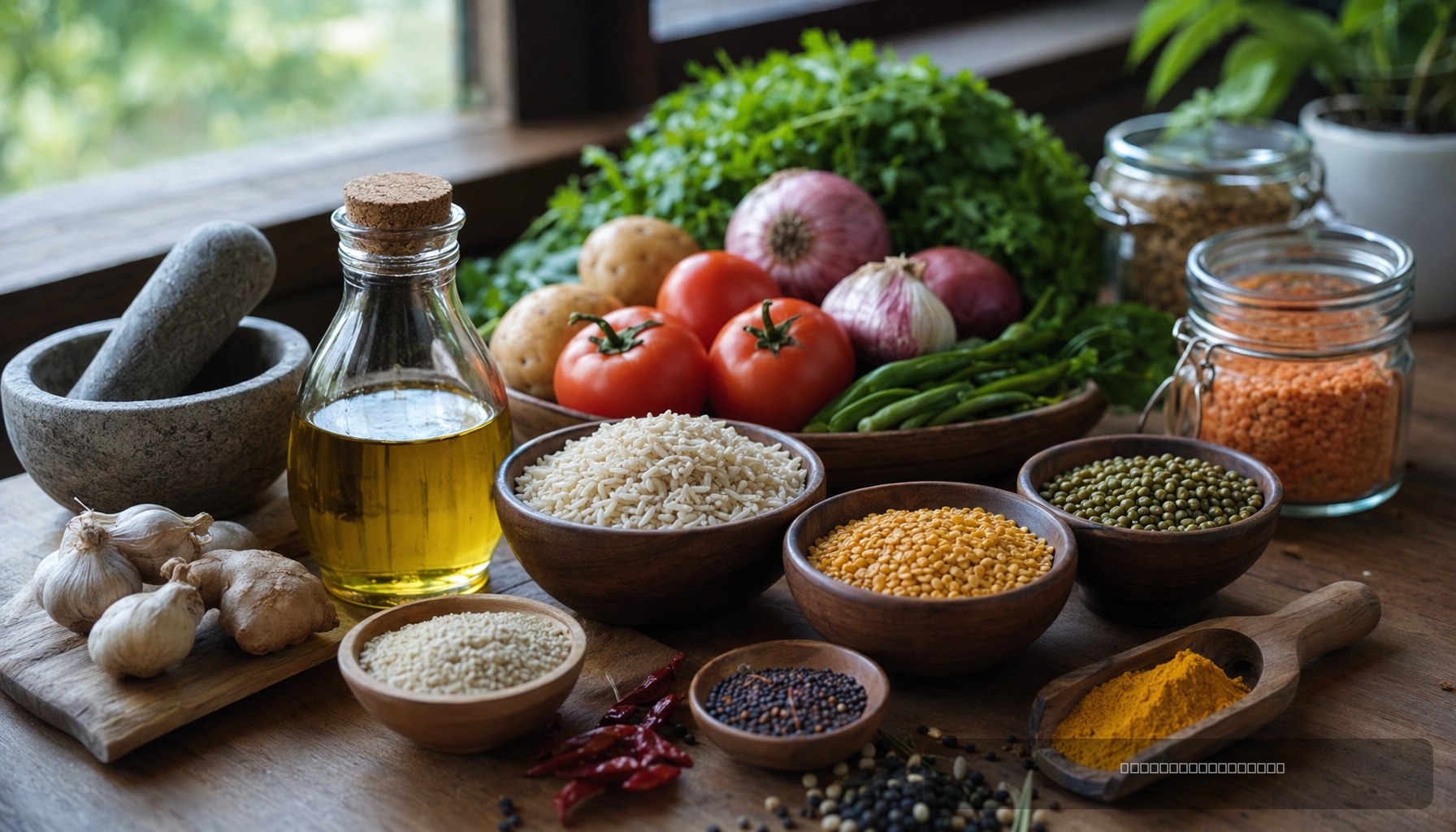
H-FAST raided six Hyderabad and Ranga Reddy food units on 18 July 2026, catching reused oil, artificial colours, expired stock, and FSSAI licence violations. Six people were detained.
Six food businesses in Hyderabad and Ranga Reddy were found violating the Food Safety and Standards Act, 2006 during a H-FAST raid on 18 July 2026, with inspectors documenting reused cooking oil, artificial food colours, expired products, misbranded packaging, and the absence of valid FSSAI licences at the premises.
The Hyderabad Food Adulteration Surveillance Team (H-FAST) is a joint surveillance unit operating under Telangana's food safety administration. On Friday, 18 July 2026, its teams fanned out across two districts and inspected a food manufacturing and processing unit, an ice-cream manufacturing unit, two murukulu (namkeen) manufacturing units, a bakery, and a food retail establishment. Six persons were apprehended on the spot and handed over to the concerned Food Safety Officers for further action. The raids were part of a declared special drive against food adulteration, though H-FAST has not yet published the specific localities of each raided unit beyond the Hyderabad and Ranga Reddy district boundaries.
What the inspectors found
The violations fall into three broad categories, and none of them are minor paperwork issues.
The first is adulteration at the cooking stage. Reused cooking oil is a documented health concern: repeated frying degrades oil into compounds including polar compounds, trans fats, and aldehydes. FSSAI's Food Safety and Standards (Food Products Standards and Food Additives) Regulations, 2011 cap total polar compounds in frying oil at 25 percent, and FSSAI has previously directed food businesses to test and discard oil that crosses this threshold. Whether the oil at these six units was tested before reuse is not stated in the H-FAST report.
The second category is the use of artificial food colours. Under FSSAI's additives regulations, only a defined list of synthetic colours is permitted in specific food categories at specified limits. Using a non-permitted colour, or using a permitted colour in a category where it is banned, is a direct violation. The H-FAST report does not name which colours were detected or in which products, so it is not yet possible to say whether the violation involved a banned substance or an excess quantity.
The third category covers hygiene and documentation failures: expired and misbranded products on sale, improper labelling, no display of valid FSSAI licences, poor sanitation, pest infestation, improper storage, and food handlers working without hairnets or gloves. Health records and water analysis reports were also missing. Taken together, these point to systemic non-compliance rather than isolated slip-ups.
Why this matters for Hyderabad consumers
Murukulu and namkeen snacks, ice cream, and bakery goods are everyday purchases across Hyderabad. They are also categories where artificial colours and reused frying oil are historically common shortcuts because they cut costs and improve visual appeal without obvious immediate consequences for the seller.
Reused frying oil is particularly relevant for consumers who assume street-side or small-unit snacks are freshly made. A 2021 review published in Comprehensive Reviews in Food Science and Food Safety found that repeated frying cycles significantly increase acrylamide and aldehyde concentrations, both of which carry long-term health risks at sustained exposure levels. The review noted that small-scale frying operations are less likely to monitor oil quality systematically.
For consumers with specific dietary needs, the artificial colour finding carries an additional layer of concern. Several synthetic colours permitted in India, including Sunset Yellow FCF (E110) and Tartrazine (E102), have been associated with hyperactivity in children in studies cited by the European Food Safety Authority, though FSSAI has not moved to restrict them beyond existing limits. If you or your children consume brightly coloured namkeen or ice cream regularly, the colour source matters.
The expired and misbranded product finding is the most straightforward violation: selling food past its use-by date is an offence under Section 26 of the Food Safety and Standards Act, 2006, and can attract penalties including licence cancellation.
What buyers and home cooks should do
At the point of purchase, three checks take under a minute. First, look for the FSSAI licence number on the packaging or displayed at the counter. Every food business operator with an annual turnover above Rs 12 lakh is required to hold a licence, not just a registration, and the number should be visible. You can verify any 14-digit FSSAI licence number at FoSCoS, FSSAI's online portal.
Second, check the date of manufacture and best-before or use-by date on packaged goods. For loose murukulu or bakery items sold without individual packaging, ask the retailer directly. A business that cannot answer is a business worth avoiding.
Third, look at the colour of fried snacks. Unnaturally bright orange or yellow namkeen is a reasonable prompt to check the ingredient list for colour additives. If the packaging lists a colour by name or E-number, cross-reference it against FSSAI's permitted list for that food category. If there is no ingredient list at all on a packaged product, that is itself a labelling violation.
For home frying, FSSAI's guidance is to discard oil after three to four frying cycles or when it darkens significantly, smokes at lower temperatures than usual, or develops a rancid smell. No home test replaces a polar compound meter, but these sensory cues are reliable enough for practical use.
H-FAST has not yet released the names or addresses of the six raided establishments. Until that information is public, consumers in Hyderabad and Ranga Reddy have no way to identify which specific units were involved. Telangana's Food Safety department publishes enforcement actions periodically on its official channels, and that is where the follow-up action against these six persons will eventually be documented.
Sources
- H-FAST raids six food establishments in Hyderabad, Ranga Reddy over safety violations
- FSSAI Food Safety and Standards (Food Products Standards and Food Additives) Regulations, 2011 — Compendium of Food Additives
- FoSCoS — FSSAI Food Safety Compliance System (licence verification portal)
- Comprehensive Reviews in Food Science and Food Safety — Frying oil degradation and health implications (2021)