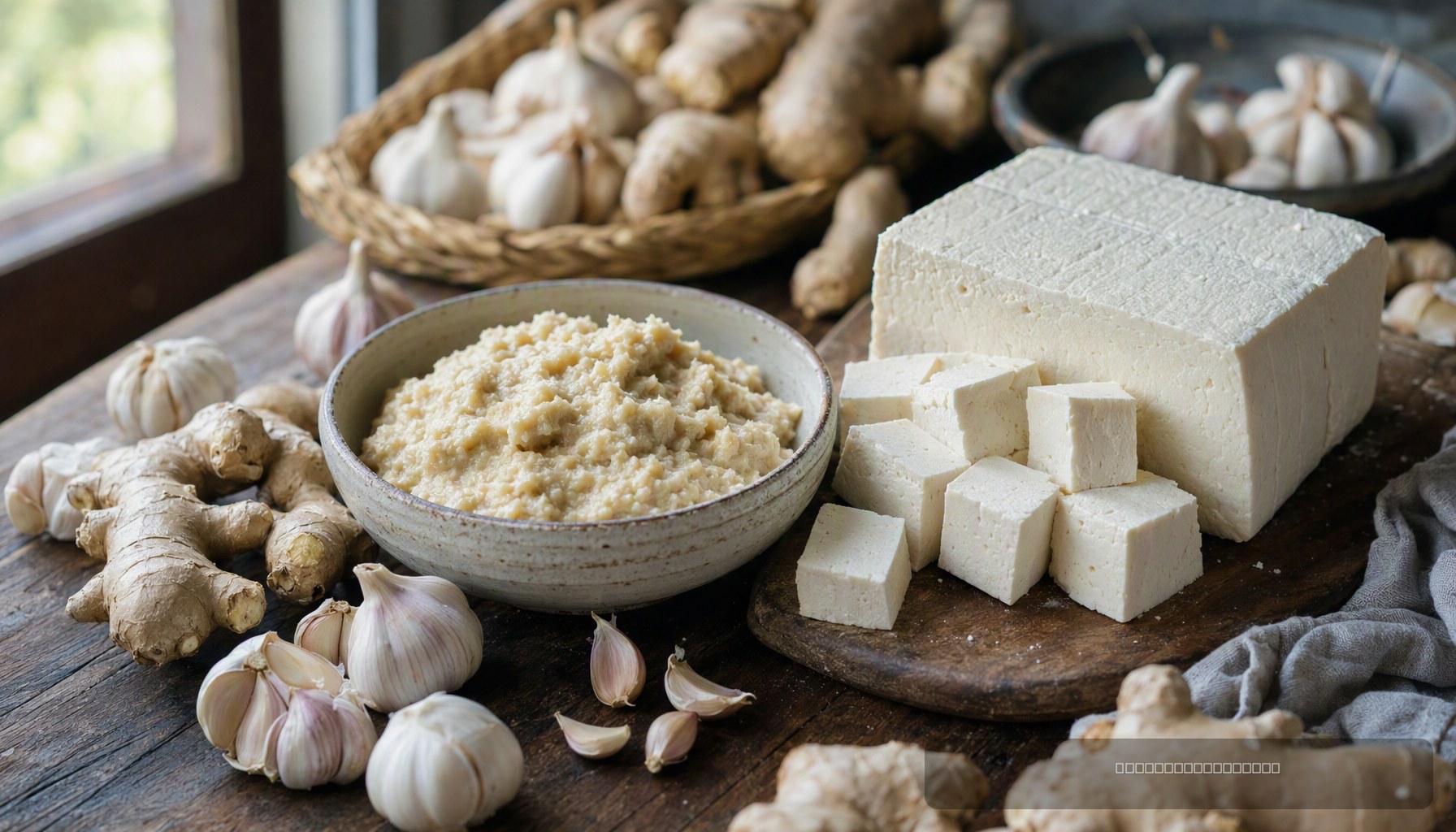
Hyderabad police seized 730 kg of adulterated ginger-garlic paste and 500 kg of paneer from three units in Hayathnagar, Alwal, and Dundigal on September 24, 2026.
Malkajgiri police, working with the M-FAST (Malkajgiri Food Adulteration Surveillance Team), seized 730 kg of suspected adulterated ginger-garlic paste, 500 kg of loose paneer, and hundreds of kilograms of skimmed milk powder from three food manufacturing units across Hayathnagar, Alwal, and Dundigal on September 24, 2026. Cases were registered under Sections 223, 274, and 275 of the Bharatiya Nyaya Sanhita, which cover offences related to adulteration of food and drink.
The raids covered three separate premises in a single day, each raising different concerns about what was going into food sold to Hyderabad consumers.
What happened at each location
The first raid targeted Sri Manikanta (SMK) Golden Food Products and Ginger-Garlic Paste Manufacturing Unit at Shiva Shakti Nagar in Hayathnagar. Police apprehended Akula Shivaiah, 38, who was manufacturing ginger-garlic paste using what investigators described as low-quality raw material, an unidentified solution, and food colour. The seized stock included 13 drums containing 650 kg of paste, plus an additional 80 kg across smaller boxes, bringing the total to approximately 730 kg. A 3.5-litre bottle of the unidentified solution and a box of food colour were also taken as evidence. The Hindu reported that the paste was being prepared in unhygienic conditions without following required food safety and quality standards.
The second raid hit Natraj Milk and Milk Food Products at Turkapally in Alwal. The unit was preparing paneer by mixing skimmed milk powder, a practice that raises immediate questions under FSSAI's standards for dairy products. FSSAI's Food Safety and Standards (Food Products Standards and Food Additives) Regulations, 2011 define paneer as a product made from cow or buffalo milk, or a combination, and do not permit reconstituted skimmed milk powder as a substitute for fresh milk in paneer manufacture. Around 500 kg of loose paneer and approximately 50 kg of skimmed milk powder were seized. The respondent, Japala Natraj, 56, was handed over to Alwal Police Station.
The third location, M/s Yashoda Sweet and Namkeen at Bowrampet village in Dundigal, was found using substantial quantities of skimmed milk powder, oil, and dalda (vegetable fat) in the preparation of halwa and other sweets. The seized stock included roughly 35 bags each of Shreedhi Premium Gold and Ramsons Spray Dried skimmed milk powder, plus bags of Dholpur Fresh, Gyan, Lacto Win, and Savariya skimmed milk powder. Police also seized 21 kg of packed Yashoda Sweet Halwa, approximately 100 tins of Freedom Oil, and 50 tins of Dalda. Pushpendra Baghel, 32, was handed over to Dundigal Police Station.
Why this matters
Ginger-garlic paste is a daily-use ingredient in millions of Indian kitchens and restaurants. Most consumers buy it in bulk or from local suppliers without any label, batch number, or FSSAI licence number to check. When a manufacturer substitutes or dilutes the base with unidentified solutions and synthetic colour, there is no way for a buyer to detect this at the point of purchase.
The paneer situation is a separate but equally common problem. Skimmed milk powder is significantly cheaper than fresh milk. When reconstituted and pressed into paneer without disclosure, it can still look and feel like the real thing. The concern is not just compositional fraud. Reconstituted powder paneer made in uncontrolled conditions carries a higher microbial risk, particularly if the water used for reconstitution is not treated.
The use of dalda and vegetable fat in sweets labelled or sold as milk-based products is a long-standing issue in Indian sweet shops. Dalda is a hydrogenated vegetable fat and contains trans fats. FSSAI has set limits on industrially produced trans fatty acids in food products, capping them at 2% of total oils and fats as of January 2022. Whether the sweets from Yashoda Sweet and Namkeen were labelled at all, and what those labels claimed, is not yet clear from the available reporting.
The M-FAST unit conducting these raids is a Hyderabad-specific food adulteration surveillance team. Its involvement alongside the SOT (Special Operations Team) units suggests this was a coordinated intelligence-led operation rather than a routine inspection. What triggered the raids, and whether there are more units under watch, has not been disclosed.
What buyers and cooks should do
For ginger-garlic paste, the safest option is to make it at home by grinding fresh ginger and garlic with a small amount of oil or water. It keeps refrigerated for up to two weeks. If buying packaged paste, check for a valid FSSAI licence number on the label, a printed manufacturing date, and a declared ingredient list. Avoid loose paste sold in unlabelled containers from local suppliers, regardless of how fresh it looks.
For paneer, ask your supplier whether it is made from fresh milk or reconstituted powder. Reputable dairies will tell you. Paneer made from fresh milk has a slightly grainy, moist texture and a clean milk smell. Powder-based paneer can be rubbery and may have a faintly stale or powdery aftertaste. Buying from FSSAI-licensed dairies that display their licence number does not guarantee quality, but it does mean there is a paper trail if something goes wrong.
For sweets bought from local shops, particularly halwa and milk-based items, ask directly whether ghee or dalda is used. Shops that use pure ghee will usually say so because it is a selling point. If a shop is evasive, that is informative.
FSSAI's Food Safety Connect app allows consumers to file complaints about suspected adulterated food. The complaint goes to the relevant state food safety authority. Whether Telangana's food safety department will follow up on these three units with lab testing and prosecution beyond the police action is not yet known.
Sources
- Malkajgiri police seize 730 kg suspected adulterated ginger-garlic paste, 500 kg paneer in food safety raids — The Hindu
- Food Safety and Standards (Food Products Standards and Food Additives) Regulations, 2011 — FSSAI
- FSSAI order on trans fatty acids limit (2% cap from January 2022)
- FSSAI Food Safety Connect — consumer complaint portal