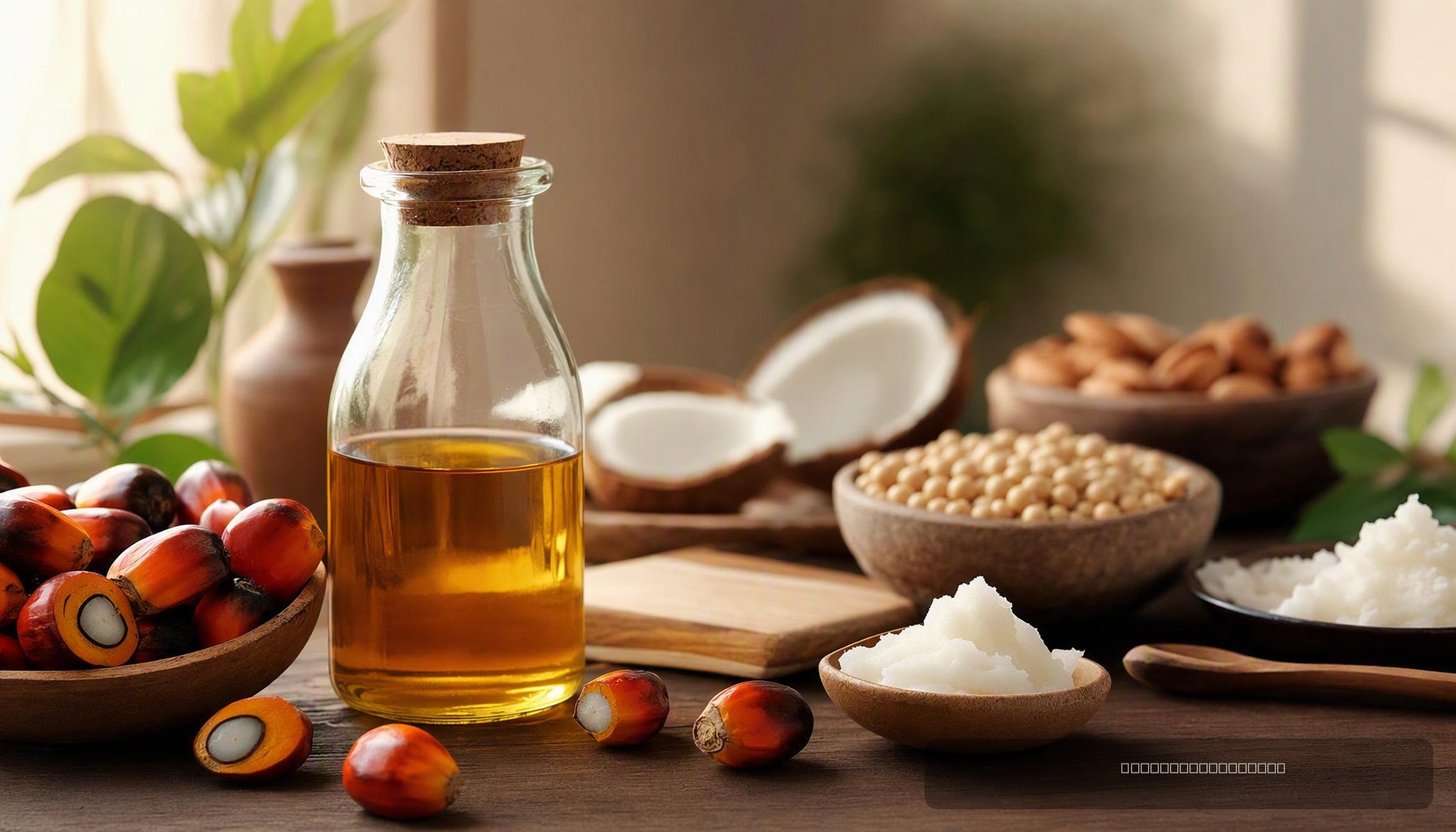
Palm oil is up 20% in 2026 and analysts expect prices to stay elevated through 2031. Indian food brands using palm oil face a shrinking cost advantage over cleaner fat alternatives.
Global crude palm oil (CPO) futures on the Malaysia Derivatives Exchange were quoted at MYR 4,884 per tonne in late August 2026, with spot prices at MYR 4,946, according to Hindu Business Line reporting on BMI and Rabobank forecasts. That is a gain of nearly 20% so far this year, and multiple research agencies expect the uptrend to hold through at least the first quarter of 2027, with some analysts at Expert Market Research projecting prices could breach MYR 6,000 per tonne.
The people most immediately affected are Indian food manufacturers who use refined palm oil or palm olein as a base fat in biscuits, namkeen, instant noodles, ready-to-eat curries, and a wide range of packaged snacks. India's palm oil demand is itself forecast to rise over 5% to 9.1 million tonnes this season, partly because of festive-season restocking. That demand growth, combined with tighter global supply, means Indian buyers are competing harder for a commodity that is already getting more expensive.
What changed
Three things converged to tighten the palm oil market in 2026.
First, Indonesia, the world's largest palm oil producer, implemented a mandatory B50 biodiesel blending programme from 1 July 2026. A 50% palm oil blend in diesel is the highest biodiesel mandate any country has adopted. It diverts a significant volume of palm oil away from food export channels into domestic fuel use, reducing the supply available to importers like India.
Second, Malaysian production is expected to fall 3.5% year-on-year to 19.5 million tonnes in the 2026-27 season, according to BMI (a unit of Fitch Solutions). Malaysia is the world's second-largest producer, so a drop there cannot easily be absorbed. Indonesian output is projected to rise 1.7% to 47.5 million tonnes, but that gain is partly offset by the biodiesel diversion.
Third, El Nino weather conditions are intensifying. El Nino typically reduces rainfall in Southeast Asia, which stresses oil palm yields. BMI flags this as an additional upside risk to prices, not a certainty, but the weather pattern adds uncertainty to an already tight supply picture.
Rabobank's outlook is longer-dated and more sobering: the Dutch financial services firm expects global palm oil prices to remain elevated from 2026 through 2031. Biodiesel mandates across Southeast Asia, including Malaysia's B15 and Thailand's push toward B20, will keep constraining export availability even as production slowly grows. Rabobank's conclusion is direct: total output is still likely to fall short of demand over this period.
BMI's revised 2026 average price forecast for front-month CPO futures is MYR 4,453 per tonne, up from MYR 4,300, and the agency expects MYR 4,550 this quarter and MYR 4,582 in the next. The 2025 average was MYR 4,279 per tonne, so the direction is clear even if the exact ceiling is not.
What buyers and cooks should do
For Indian clean-label food brands, the cost arithmetic on palm oil is shifting in a way that makes reformulation worth revisiting.
Palm oil has long been the default fat in Indian packaged food because it is cheap, stable at room temperature, and has a high smoke point. The FSSAI label declaration rules under Food Safety and Standards (Labelling and Display) Regulations 2020 require manufacturers to name the specific vegetable oil used rather than hiding it behind the generic term "edible vegetable oil." So consumers can already check whether a product contains palm oil by reading the ingredient list. What changes with higher palm prices is the cost gap between palm and alternatives.
Cold-pressed coconut oil, expeller-pressed sunflower oil, and rice bran oil have historically been more expensive than refined palm olein. As palm prices climb toward MYR 4,500 to 4,600 per tonne and potentially higher, that gap narrows. Brands reformulating away from palm for clean-label reasons now face a smaller cost penalty than they did two years ago.
For small-batch and artisan producers, this is a practical window. Replacing refined palm oil with cold-pressed alternatives removes a common consumer objection (palm oil's association with deforestation and high saturated fat content) while the price difference is less punishing than usual. The saturated fat content of palm oil is around 50%, comparable to coconut oil but higher than sunflower or rice bran oil, so the swap also changes the nutritional profile of the finished product.
For home cooks, the palm oil price surge is less directly felt because most retail cooking oil in India is sunflower, mustard, or groundnut. Palm oil enters the diet mainly through processed and packaged food. Reading ingredient labels on biscuits, namkeen, and ready-to-eat products remains the most reliable way to track palm oil consumption.
Brands that have already moved away from palm oil, such as those using cold-pressed oils or certified sustainable alternatives, should check whether their supplier contracts reflect current spot prices. The Rabobank forecast of sustained elevation through 2031 suggests this is not a short-term spike to wait out.
One thing remains unclear: whether India's government will adjust import duties on palm oil in response to rising prices. India has historically used duty adjustments to manage edible oil inflation, and the Ministry of Food and Consumer Affairs has intervened in palm oil import tariffs multiple times since 2020. No such adjustment has been announced as of late August 2026, and FSSAI has not issued any related guidance on labelling or reformulation timelines.