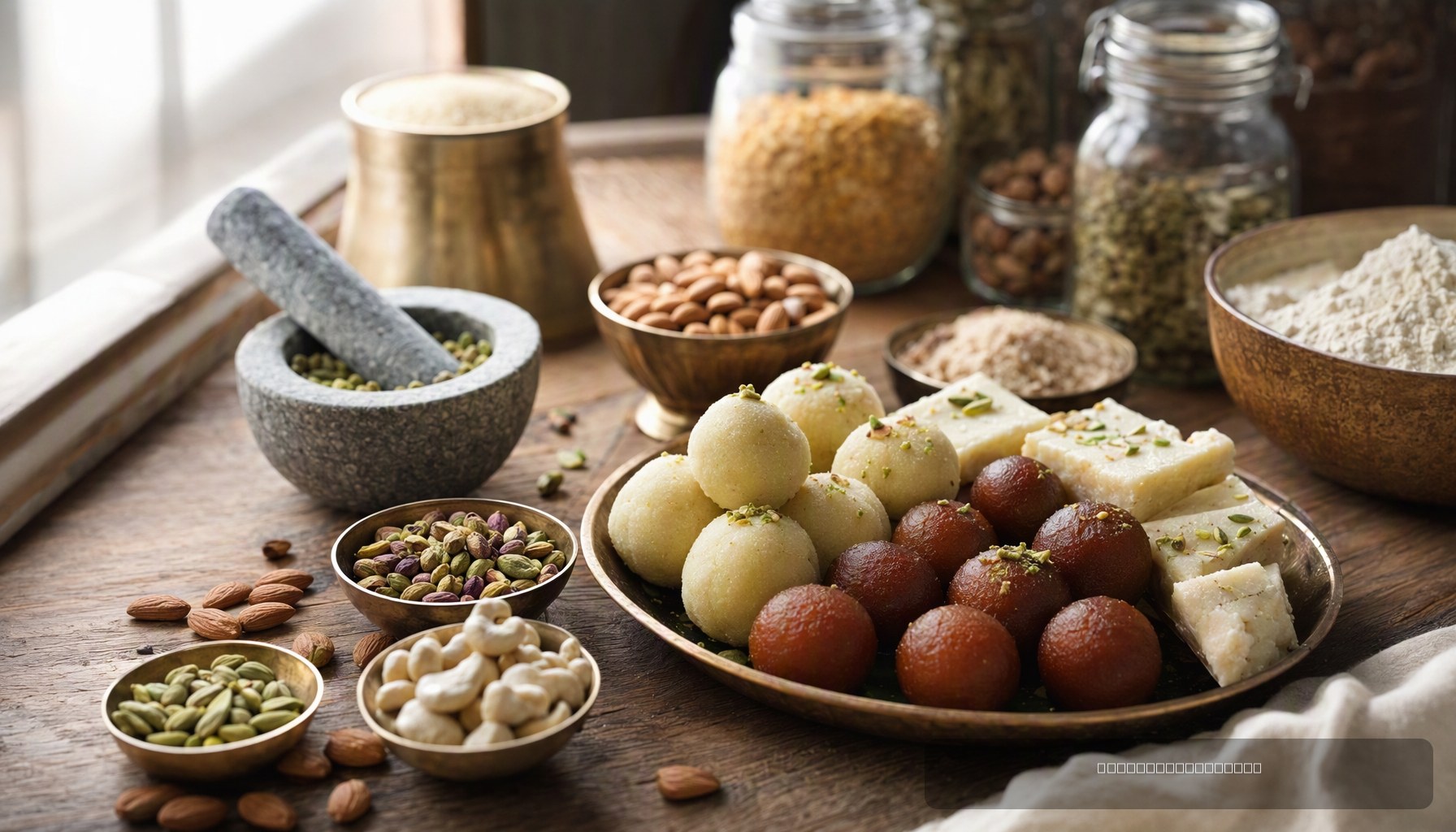
TG SAFE collected 38 food samples from 53 sweet shops and bakeries across Telangana on October 23, 2026, suspecting adulteration, and flagged hygiene violations at several outlets ahead of Deepavali.
TG SAFE (Telangana Standards Authority for Food and Essential Drugs) collected 38 food samples from sweet shops, bakeries, and dairy units across Telangana on October 23, 2026, after Food Safety Officers found conditions that raised suspicion of adulteration during a pre-Deepavali inspection drive.
The drive covered 53 establishments across Hyderabad, Siddipet, Khammam, Nizamabad, Warangal, Karimnagar, and Mahabubnagar. Inspectors flagged a range of hygiene failures alongside the sampling action. The timing is deliberate: sweet consumption in India spikes sharply in the weeks before Deepavali, and regulators in multiple states routinely intensify checks during this window because demand pressure on manufacturers can translate into shortcuts on ingredients and storage.
What the inspectors found
The violations documented by TG SAFE go beyond the adulteration question. At several establishments, officers recorded damaged flooring with food waste on the premises, clogged drains, dusty walls with food spillage, and unclean washing areas. Food handlers were observed working without hairnets or gloves. Exhaust systems and chimneys were described as greasy. Food articles were stored directly on the floor, and food and non-food items were kept together in the same storage areas.
Paper-trail failures were also common. Pest control documentation was missing at some units, and health records for food handlers were absent. Under the Food Safety and Standards Act, 2006 and the FSS (Licensing and Registration of Food Businesses) Regulations, 2011, food business operators are required to maintain these records and to ensure that handlers follow basic personal hygiene protocols. The absence of documentation is itself a violation, separate from any adulteration finding.
The 38 samples collected will be sent to accredited laboratories for analysis. Results are not yet public. TG SAFE has not specified which product categories the samples cover, so it is not yet clear whether the suspicion centres on synthetic colours, added starch, substandard dairy fat, or other adulterants commonly found in festival sweets.
Why this matters for buyers in Telangana
Festival seasons are when adulterated sweets cause the most harm, simply because volumes are higher. Common adulterants in Indian mithai include synthetic dyes not permitted under FSSAI schedules, starch or maida used to bulk up khoya (mawa), and substandard hydrogenated fats substituted for pure ghee. Khoya adulteration with starch is detectable at home using a basic iodine test: a drop of iodine solution on a small sample turns blue-black if starch is present. This is not a substitute for lab testing, but it is a quick first filter.
The geographic spread of this drive matters. Inspections reached seven districts, not just Hyderabad. Buyers in Warangal, Karimnagar, and Nizamabad face the same risk profile as those in the city, and the drive signals that TG SAFE is not limiting enforcement to urban clusters.
For Hyderabad residents specifically, the inspection covered sweet shops and bakeries across the city, though TG SAFE has not released a list of named establishments. Until lab results are published and any prosecution notices are issued, consumers have no way to know which specific outlets were flagged.
What buyers and home cooks should do
The safest immediate step is to buy sweets from establishments that can show you their FSSAI licence number. Under FSSAI rules, the licence or registration number must be displayed at the premises and printed on any packaging. An establishment without a visible licence number is either unregistered or non-compliant, and either status is a reason to walk away.
For packaged sweets, check the label for the FSSAI logo and 14-digit licence number, a manufacturing date, and a best-before date. Loose sweets sold by weight carry higher risk because there is no label to scrutinise. If a sweet is unnaturally bright in colour, that is worth questioning: FSSAI permits only specific synthetic colours at defined limits under the FSS (Food Products Standards and Food Additives) Regulations, and many small producers use non-permitted dyes to make products look fresher or more appealing.
Home preparation is the most reliable option for anyone with dietary restrictions. Khoya-based sweets like barfi or peda can be made with full-fat milk reduced at home, eliminating the adulteration risk at the raw-material stage. For those following Jain or vegan diets, festival sweets present additional complexity because many commercial products contain ingredients that are not disclosed in detail on loose-sale items.
TG SAFE has said the 20 establishments that received improvement notices will face re-inspection to verify compliance. The one establishment served a show-cause notice faces potential penalties. Lab results from the 38 samples, once released, will determine whether criminal prosecution under the FSS Act follows. That process typically takes several weeks. Clean Label Guide will update this report when results are made public.
Sources
- TG SAFE identifies food safety violations at several sweet shops and bakeries across TG, collects 38 food samples on suspicion of adulteration — The Hindu
- Food Safety and Standards Act, 2006 — FSSAI
- FSS (Food Products Standards and Food Additives) Regulations — FSSAI
- FSS (Licensing and Registration of Food Businesses) Regulations, 2011 — FSSAI