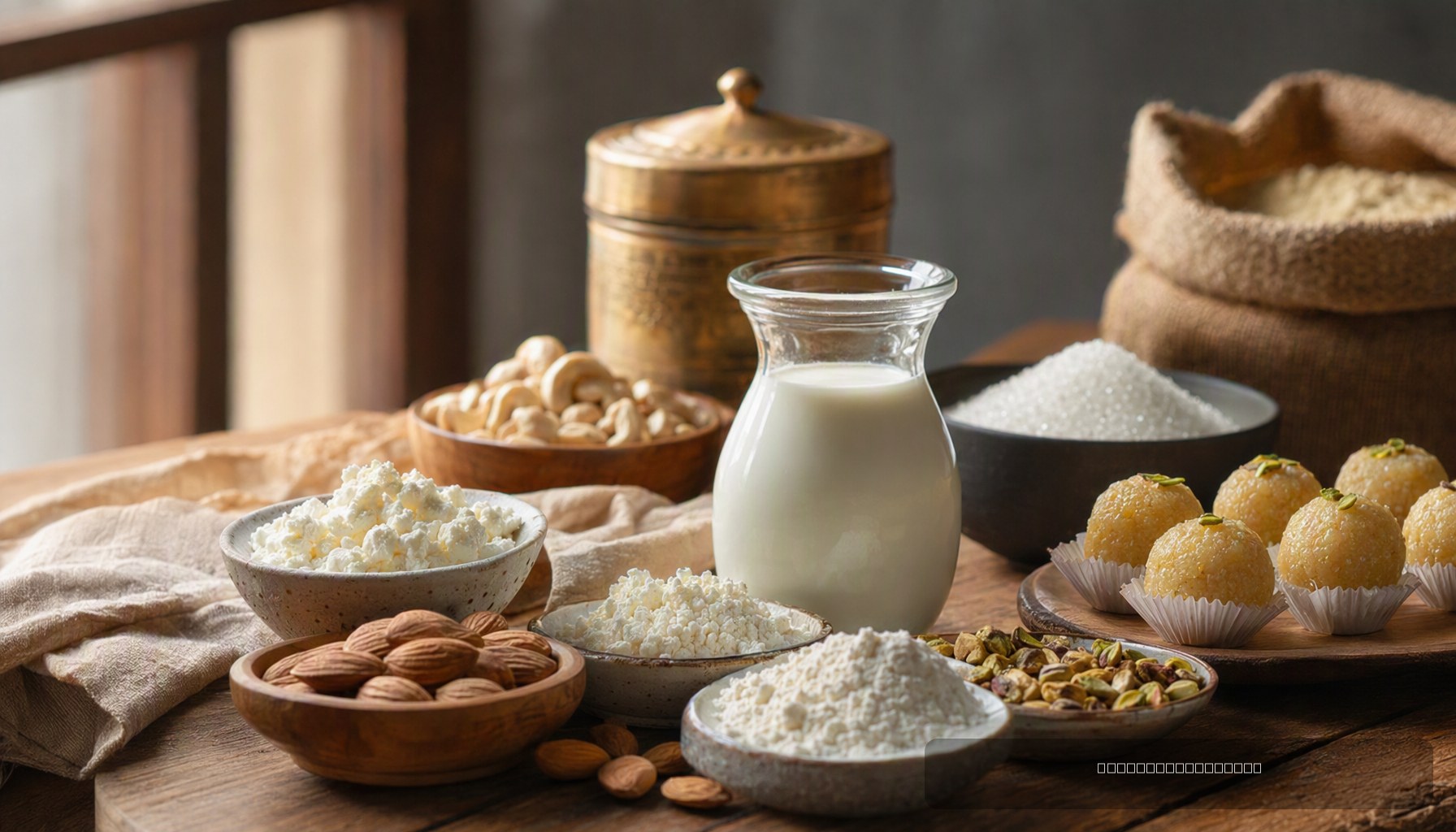
TG SAFE inspected 53 sweet and bakery outlets across Telangana on October 23, 2026, found hygiene violations at multiple sites, and collected 38 samples for adulteration testing ahead of Diwali.
TG SAFE (Telangana Standards Authority for Food and Essential Drugs) collected 38 food samples from sweet shops, bakeries, and dairy units across Telangana on October 23, 2026, after a single-day inspection drive targeting 53 establishments in the run-up to Deepavali.
Food Safety Officers spread across Hyderabad, Siddipet, Khammam, Nizamabad, Warangal, Karimnagar, and Mahabubnagar for the drive. The timing is deliberate: festive seasons push demand for mithai and packaged sweets sharply upward, and adulteration risks tend to rise alongside production volumes. TG SAFE has not yet released lab results for the 38 samples, so it is too early to say which adulterants, if any, are confirmed.
What the inspectors found
The violations documented go beyond ingredient quality. Officers recorded damaged flooring with food waste on the premises, clogged drains, greasy exhaust systems and chimneys, and dirty walls with dust and food spillage. Washing areas were unclean at several sites. Food articles were found stored directly on the floor, and food and non-food items were kept together, a practice that creates cross-contamination risk under FSSAI's Food Safety and Standards (Licensing and Registration of Food Businesses) Regulations, 2011.
Record-keeping failures were widespread. Pest control documentation was absent at multiple establishments, and health records for food handlers were missing. Some handlers were working without hairnets or gloves, which violates basic personal hygiene requirements under Schedule 4 of the FSSAI regulations.
These are not minor paperwork gaps. Missing pest control records mean there is no documented evidence that rodent or insect activity has been monitored or treated. Missing health records mean food businesses cannot demonstrate that handlers are free from communicable diseases, a requirement that exists precisely because sweets are typically consumed without further cooking.
Why this matters for consumers buying festival sweets
Festive adulteration in Indian sweets is a documented, recurring problem. Common adulterants in mithai include synthetic colours not permitted under FSSAI schedules, substandard khoya (mawa) made from starch or vegetable fat instead of reduced milk solids, and silver vark (edible foil) that is sometimes replaced with aluminium foil. None of these are detectable by sight or smell at the point of purchase.
The 38 samples collected on October 23 will be sent to FSSAI-accredited laboratories. Results typically take two to four weeks, which means findings may arrive after Diwali has passed. That lag is a structural problem with reactive enforcement: by the time adulteration is confirmed, the product has already been consumed.
TG SAFE's action does create a paper trail. Improvement notices issued to 20 establishments require documented rectification, and follow-up inspections are planned to verify compliance. One establishment faces a show-cause notice, the step before formal penalty proceedings under Section 32 of the Food Safety and Standards Act, 2006.
What buyers and home cooks should do
If you are buying sweets from shops in Hyderabad or elsewhere in Telangana this Diwali, a few practical checks reduce (though do not eliminate) risk.
Ask to see the FSSAI licence number displayed at the shop. Under FSSAI rules, every food business operator above a threshold turnover must display a valid licence. If the number is absent or the licence has expired, that is a red flag.
For packaged sweets, check the label for the FSSAI logo and licence number, the list of ingredients, and the best-before date. Avoid products where the ingredient list is absent or where artificial colours are listed without their INS (International Numbering System) codes, since that makes it harder to verify whether they are permitted under FSSAI's Appendix A.
For loose or freshly made mithai, the hygiene conditions the inspectors flagged are visible to anyone who looks: check whether the display area is clean, whether handlers are wearing gloves or using tongs, and whether the shop smells of stale oil or rancid fat. Bright, unnaturally uniform colour in burfi or peda can indicate synthetic dye use.
Home preparation is the most reliable route if you have the time. Khoya-based sweets like barfi and peda can be made with full-fat milk reduced at home, which removes the adulterated mawa variable entirely. Besan laddoos and coconut-based sweets carry lower adulteration risk because their ingredients are easier to source and verify.
For those with dietary restrictions: most traditional Indian festival sweets are vegetarian but not vegan, since they contain milk solids, ghee, or both. Jain consumers should check for root vegetables used as thickeners in some commercial preparations. Gluten-free shoppers should be cautious with bakery items from establishments where wheat flour is handled in the same space, since cross-contact is likely given the storage violations documented in this inspection.
TG SAFE has not published a list of the specific establishments inspected or those issued notices. Until that information is public, consumers in Hyderabad's Siddipet, Khammam, Nizamabad, Warangal, Karimnagar, and Mahabubnagar districts should treat all commercially purchased sweets with the same caution, regardless of brand recognition or shop size.